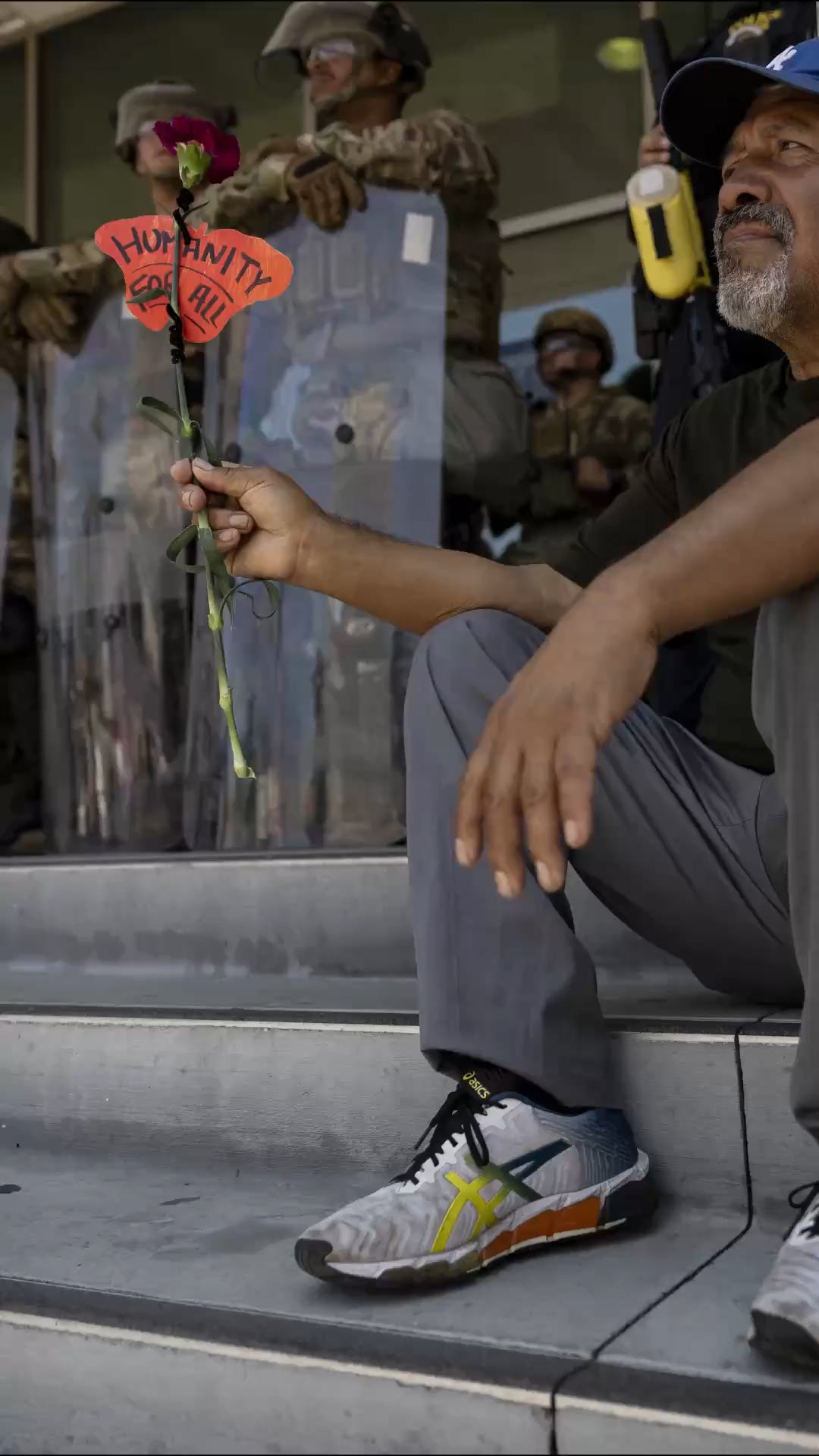
US Border Patrol Cmdr. Gregory Bovino (C) walks through a department store in St. Paul, Minnesota, June 13, 2026.
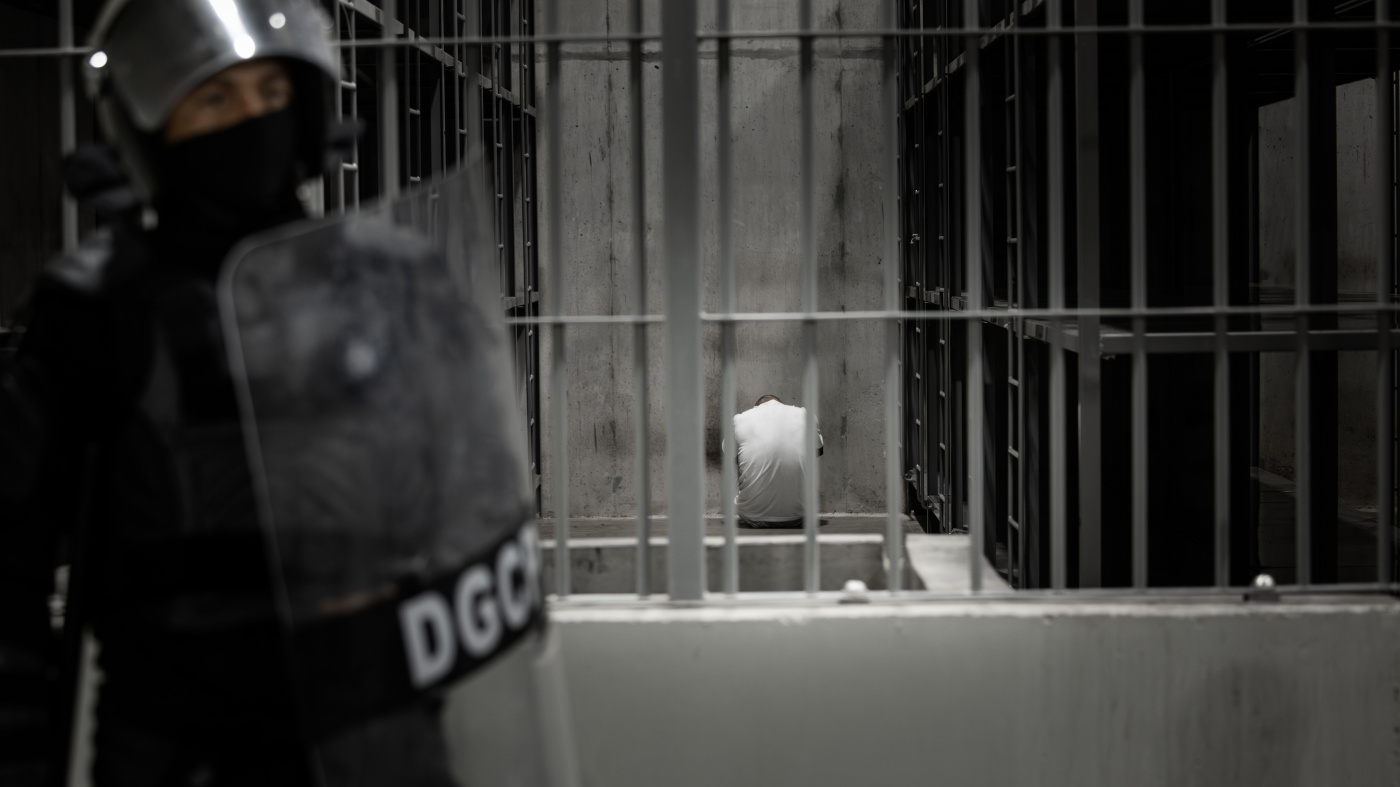
A Venezuelan migrant sits inside a cell at CECOT prison in Tecoluca, El Salvador, June 13, 2026.
The global human rights system is in peril. Under relentless pressure from US President Donald Trump, and persistently undermined by China and Russia, the rules-based international order is being crushed, threatening to take with it the architecture human rights defenders have come to rely on to advance norms and protect freedoms. To defy this trend, governments that still value human rights, alongside social movements, civil society, and international institutions, need to form a strategic alliance to push back.
To be fair, the downward spiral predated Trump’s reelection. The democratic wave that began over 50 years ago has given way to what scholars term a “democratic recession.” Democracy is now back to 1985 levels according to some metrics, with 72 percent of the world’s population now living under autocracy. Russia and China are less free today than 20 years ago. And so is the United States.
Of course, democracy is not a panacea for human rights violations; the US and other longtime democracies have their own histories of colonial crimes, racism, abusive justice systems, and wartime atrocities. More recently, authoritarian leaders have exploited public mistrust and anger to win elections and then dismantled the very institutions that brought them to power. Democratic institutions are crucial to represent the will of the people and keep power in check. It’s no surprise that whenever democracy is undermined, rights are too, as evident in recent years in India, Türkiye, the Philippines, El Salvador, and Hungary.
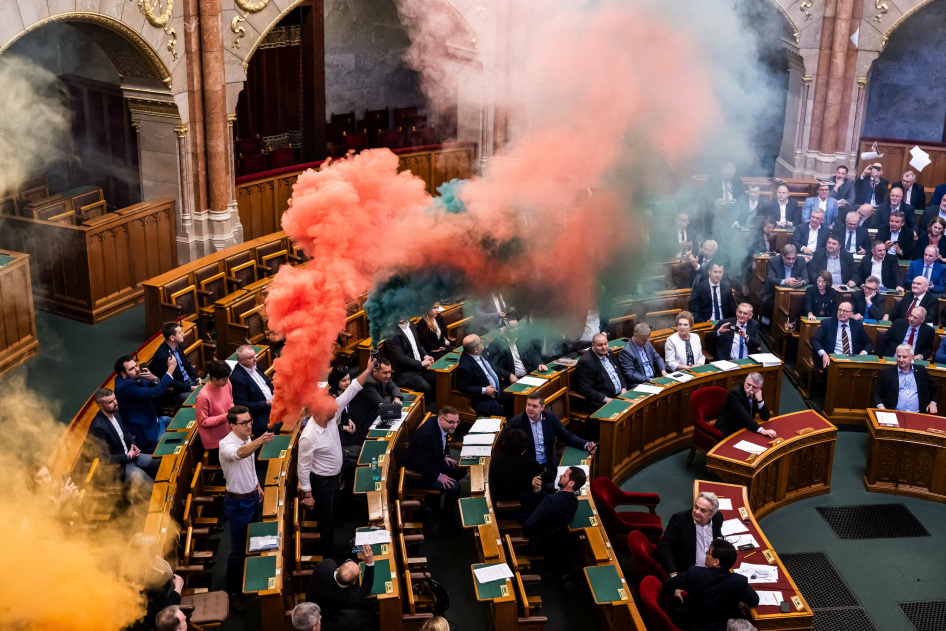
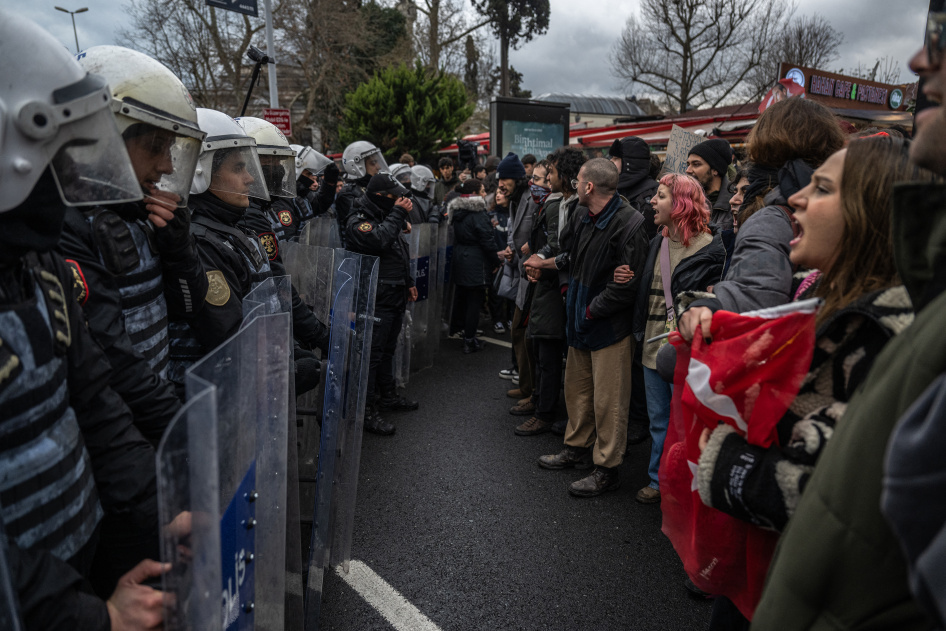
FIRST: The Momentum Movement’s parliamentary representative David Bedo and independent member of parliament Akos Hadhazy protest against a law that bans Pride marches in Hungary and imposes fines on organizers and attendees of such events, Budapest, June 13, 2026. © 2025 Marton Monus/Reuters; SECOND: University students confront riot police in Istanbul’s Beşiktaş district following the arrest of Istanbul Mayor Ekrem İmamoğlu, June 13, 2026. © 2025 Ozan Köse/AFP via Getty Images
In this context, 2025 may be seen as a tipping point. In just 12 months, the Trump administration has carried out a broad assault on key pillars of US democracy and the global rules-based order, which the US, despite inconsistencies, was, with other states, instrumental in helping to establish.
In short order, Trump’s second-term administration has undermined trust in the sanctity of elections, reduced government accountability, gutted food assistance and healthcare subsidies, attacked judicial independence, defied court orders, rolled back women’s rights, obstructed access to abortion care, undermined remedies for racial harm, terminated programs mandating accessibility for people with disabilities, punished free speech, stripped protections from trans and intersex people, eroded privacy, and used government power to intimidate political opponents, the media, law firms, universities, civil society, and even comedians.
Claiming a risk of “civilizational erasure” in Europe and leaning on racist tropes to cast entire populations as unwelcome in the US, the Trump administration has embraced policies and rhetoric that align with white nationalist ideology. Immigrants and asylum seekers have been subjected to inhumane conditions and degrading treatment; 32 died in US Immigration and Customs Enforcement custody in 2025, and as of mid-January 2026, an additional 4 have died. Masked immigration enforcement agents have targeted people of color, using excessive force, terrorizing communities, wrongfully arresting scores of citizens, and, most recently, unjustifiably killing two people in Minneapolis, whose deaths Human Rights Watch has documented.
The US president of course has the authority to tighten US borders and enforce stricter immigration policies. The administration is not, however, entitled to deny legal process to asylum seekers, mistreat undocumented migrants, or unlawfully discriminate. In a well-functioning democracy, no electoral mandate should supersede domestic legislation, constitutional protections, or international human rights law. Trump’s team has repeatedly bypassed these guardrails.
The violations have not stopped at the border. The Trump administration used a 1798 law to send hundreds of Venezuelan migrants to an infamous prison in El Salvador, where they were tortured and sexually abused. Its blatantly unlawful strikes on boats in the Caribbean and the Pacific extrajudicially killed more than 120 people whom Trump claims were drug traffickers.
US Border Patrol Cmdr. Gregory Bovino (C) walks through a department store in St. Paul, Minnesota, June 13, 2026.
A Venezuelan migrant sits inside a cell at CECOT prison in Tecoluca, El Salvador, June 13, 2026.
After the US attacked Venezuela and apprehended its president, Nicolás Maduro, and his wife, Cilia Flores, Trump claimed the US would “run” the country and control its vast oil reserves. Despite paying lip service to human rights concerns under Maduro at the United Nations, Trump has worked with the same repressive apparatus to further US interests. Many Western allies have chosen to stay silent about these lawless moves, perhaps fearing erratic tariffs and blowback to their alliances.
Trump’s foreign policy has upended the foundations of the rules-based order that seeks to advance democracy and human rights, even if imperfectly.
Trump has boasted that he doesn’t “need international law” as a constraint, only his “own morality.” His administration has politicized the US State Department’s annual human rights report, stepped away from the global prohibition on antipersonnel landmines, voiced support for rewriting international rules on asylum, and skipped the UN’s Universal Periodic Review of the US’ human rights record.
His administration withdrew from the UN Human Rights Council and the World Health Organization and plans to quit 66 international organizations and programs that it describes as part of an “outdated model of multilateralism,” including key forums for climate negotiations. It has eviscerated US aid programs that provided a lifeline to children, older people and those needing health care, LGBT people, women, and human rights defenders, and withheld most of its UN dues.
Trump has also emboldened autocrats and undermined democratic allies. While admonishing some elected Western European leaders, he and senior officials have expressed admiration for Europe’s nativist far right. He has favored autocrats such as Hungary’s Prime Minister Viktor Orban, Türkiye’s President Recep Tayyip Erdoğan, and El Salvador’s President Nayib Bukele, while continuing decades of US support to Saudi Crown Prince Mohammed bin Salman and Egypt’s President Abdel Fattah al-Sisi.
His administration has unjustifiably imposed sanctions to punish respected Palestinian human rights organizations, the International Criminal Court’s (ICC) prosecutor and many of its judges, a UN special rapporteur, and for several months, a Brazilian Supreme Court judge and his wife.
The institutional response in the US to Trump’s power grabs has been shockingly muted. Much of Congress, controlled by his own party, has not challenged his supercharged expansion of executive power. The leaders of the US’ most powerful technology companies have made significant donations and sought to placate the president. Some big law firms and prestigious universities have made deals rather than assert their independence, and some media organizations seem afraid to attract the president’s ire.
Has the US switched sides on the human rights playing field? While US engagement with human rights institutions has always been selective, China and Russia have long pursued an illiberal agenda. They stand much to gain from a US government that now expresses open hostility to universal rights. China and Russia remain strategic rivals of the US, but all three countries are now led by leaders who share open disdain for norms and institutions that could constrain their power.
Police detain an activist outside the State Duma, the lower house of the Russian parliament, before lawmakers approved a bill that punishes online searches for information that is deemed “extremist,” in Moscow, June 13, 2026.
Together, they wield considerable economic, military, and diplomatic power. If they were to consistently act as allies of convenience to erode global rules, they could threaten the entire system. Already, a loose international network of countries such as North Korea, Iran, Venezuela, Myanmar, Cuba, and Belarus work in concert with Russia and China. These leaders share very little ideologically but align in undermining human rights and promoting a regressive international agenda. In word and in practice, the US government is now helping them in this endeavor.
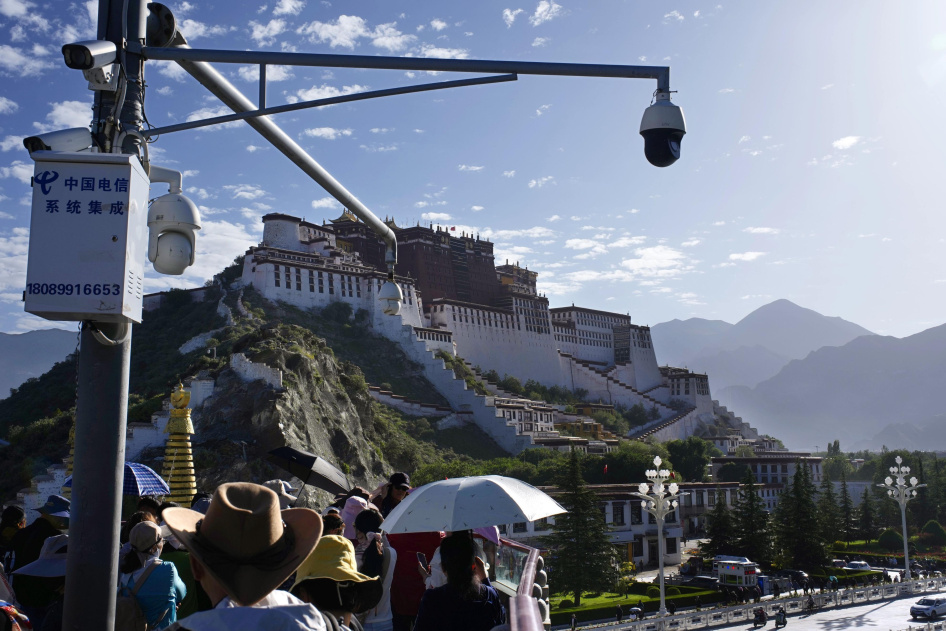
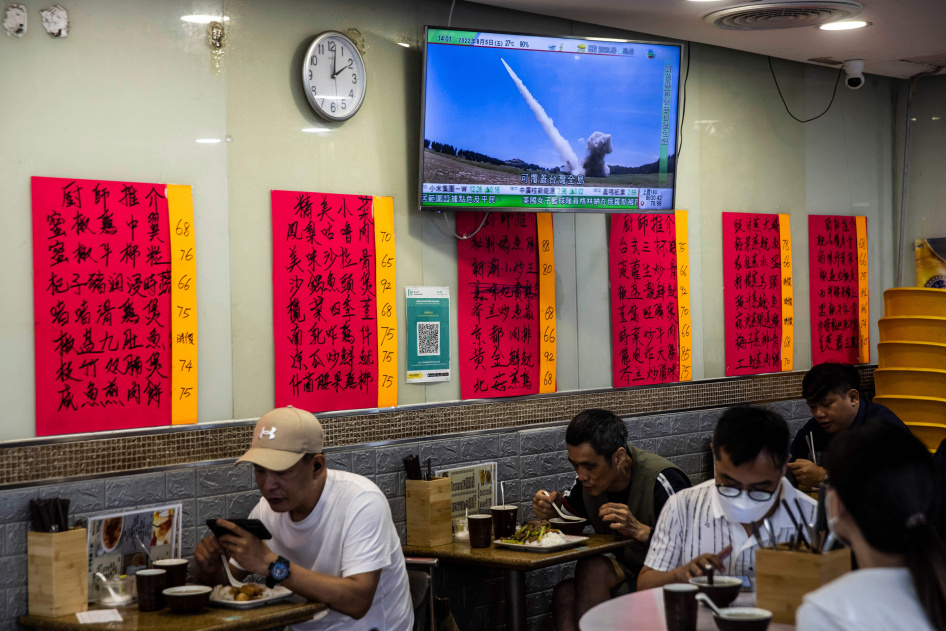
FIRST: Surveillance cameras installed in Lhasa, Tibet Autonomous Region, June 13, 2026. © 2025 Kyodo News via Getty Images; SECOND: A television in a restaurant in Hong Kong shows a missile being launched during military exercises being held by China around the island of Taiwan, June 13, 2026. © 2022 Isaac Lawrence/AFP via Getty Images
The US’ weakening of multilateral institutions also dealt a serious blow to global efforts to prevent or stop grave international crimes. The “never again” movement, born from the horrors of the Holocaust and reignited by the Rwandan and Bosnian genocides, spurred the UN General Assembly to embrace the Responsibility to Protect (R2P) in 2005. Meant to guide international intervention to prevent and stop atrocities in tandem with efforts to prosecute and punish serious crimes, R2P made a real difference in places like the Central African Republic and Kenya.
Today, R2P is rarely invoked and the ICC is under siege. In addition to Trump’s far-reaching sanctions, in December 2025 a Moscow court sentenced the ICC prosecutor and eight of its judges to prison terms in absentia. Moreover, despite being ICC fugitives, in 2025, Russia’s President Vladimir Putin was welcomed by Donald Trump in Alaska, and Israel’s Prime Minister Benjamin Netanyahu traveled to Hungary, an ICC member state at the time, at Orban’s invitation.
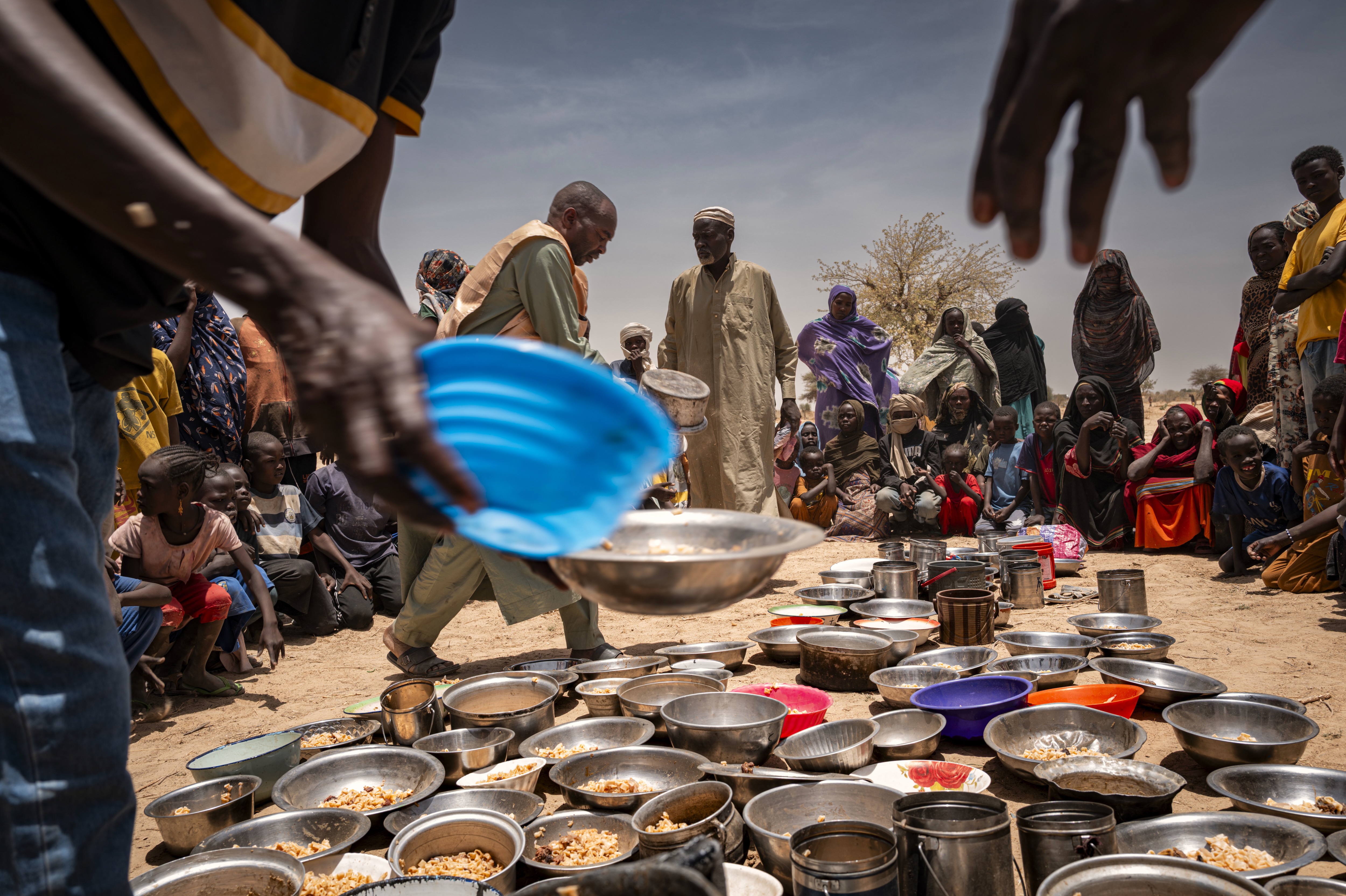
Twenty years ago, the US government and civil society were instrumental in galvanizing a response to mass atrocities in Darfur. Sudan is burning again, but this time under Trump, with relative impunity. Sudan’s Rapid Support Forces (RSF), which emerged from the militias that led the prior ethnic cleansing campaign, are again committing murder and rape on a mass scale. A growing body of evidence indicates that the UAE, a longtime US ally that recently made multi-billion-dollar deals with Trump, is providing the RSF with military support.
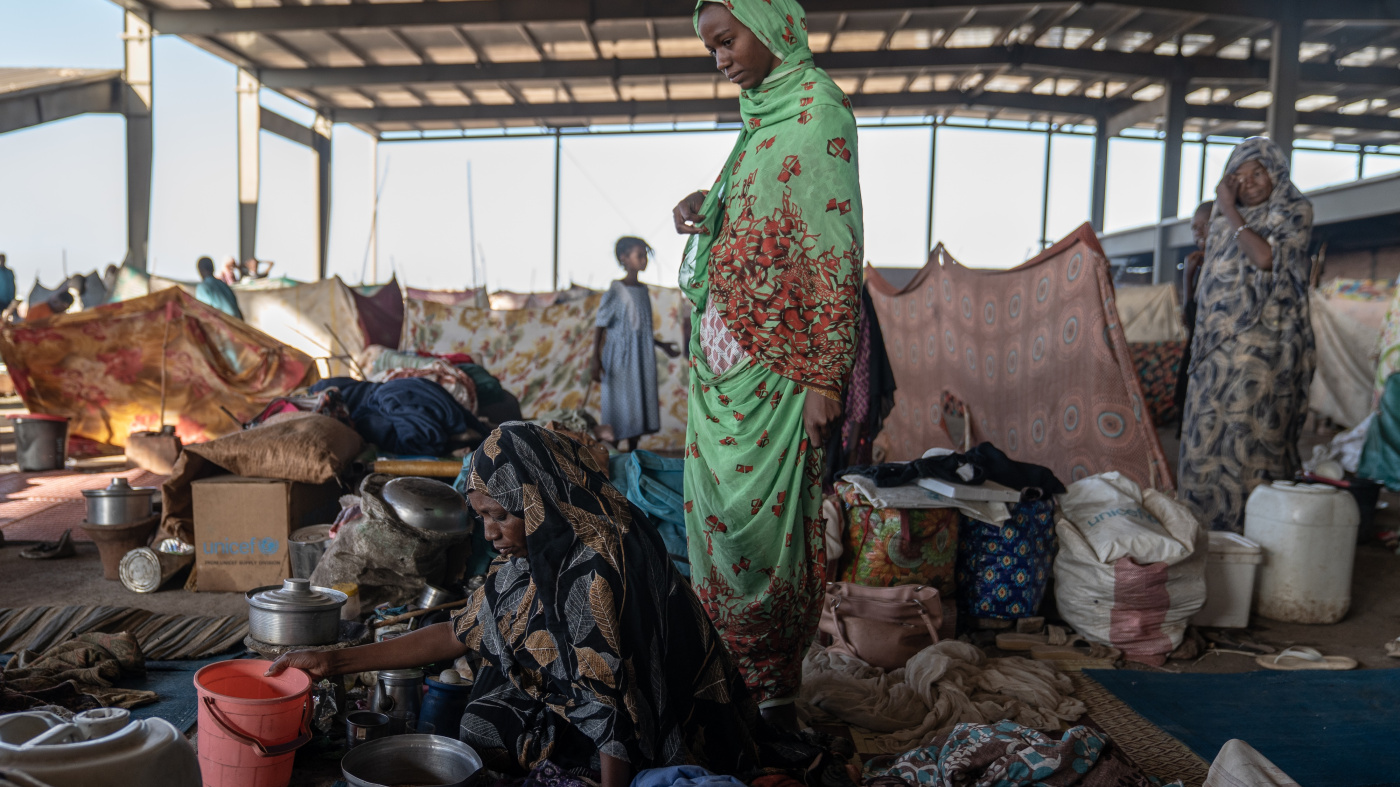
A former bus station turned into internally displaced person settlement in Gedaref, Sudan, June 13, 2026.
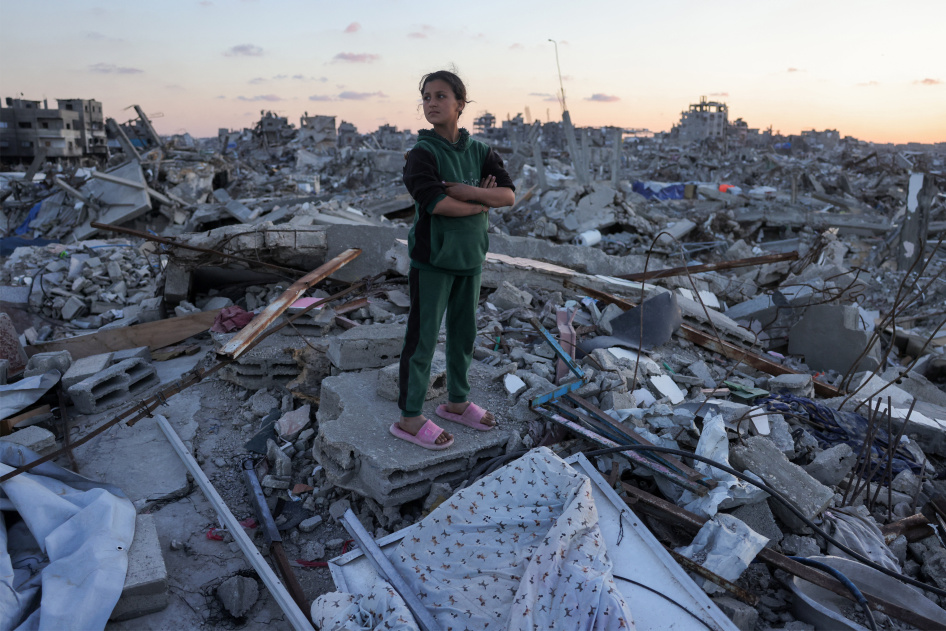
In the Occupied Palestinian Territory, the Israeli armed forces have committed acts of genocide, ethnic cleansing, and crimes against humanity, killing over 70,000 people since the October 2023 Hamas-led attacks on Israel and displacing the vast majority of Gaza’s population. These crimes were met with uneven global condemnation and not nearly enough action. Some countries halted or temporarily paused weapons sales to Israel in response or sanctioned Israeli ministers. Trump, however, continued a long-standing US policy of almost unconditional support to Israel, even as the International Court of Justice is weighing allegations of genocide and has issued binding orders under the Genocide Convention to protect Palestinians’ rights.
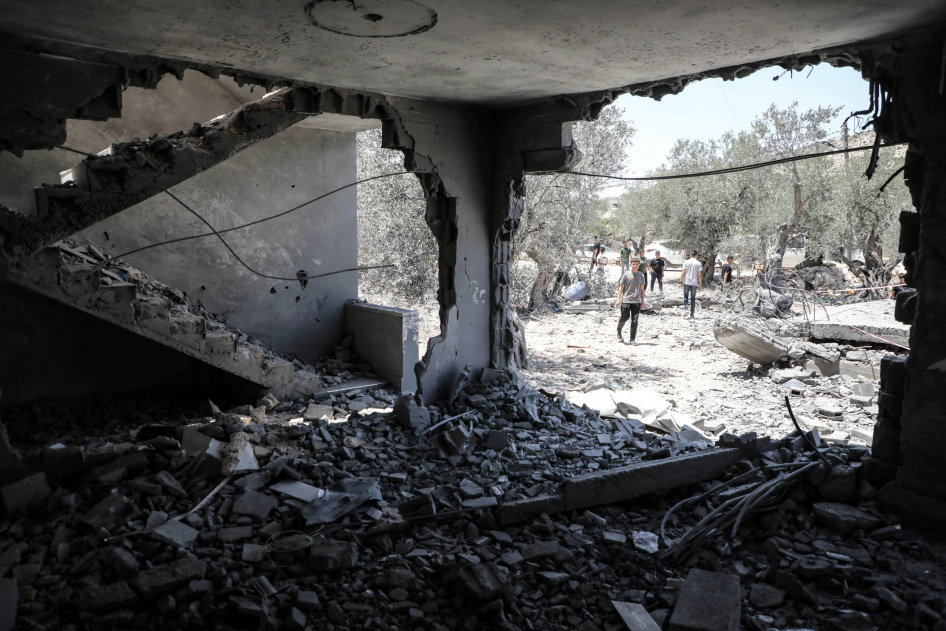
Trump announced in February an alarming US plan to transform Gaza into a “Riviera of the Middle East” free of Palestinians, which would be tantamount to ethnic cleansing. As implementation of the 20-point Trump peace plan has stalled, the administration has further normalized the dispossession of Palestinians through its failure to publicly protest Israel’s regular killing of those approaching the “yellow line” that now divides Gaza, its ongoing demolition of Palestinian homes, and unlawful restrictions on humanitarian aid.
FIRST: A Palestinian girl stands amidst rubble in Jabalia in the northern Gaza Strip, June 13, 2026. © 2025 Bashar Taleb/AFP via Getty Images; SECOND: Palestinians inspect a house demolished by Israeli military forces in the town of Qabatiya in the Israeli occupied West Bank, June 13, 2026. © 2025 Nasser Ishtayeh/SOPA Images/LightRocket via Getty Images
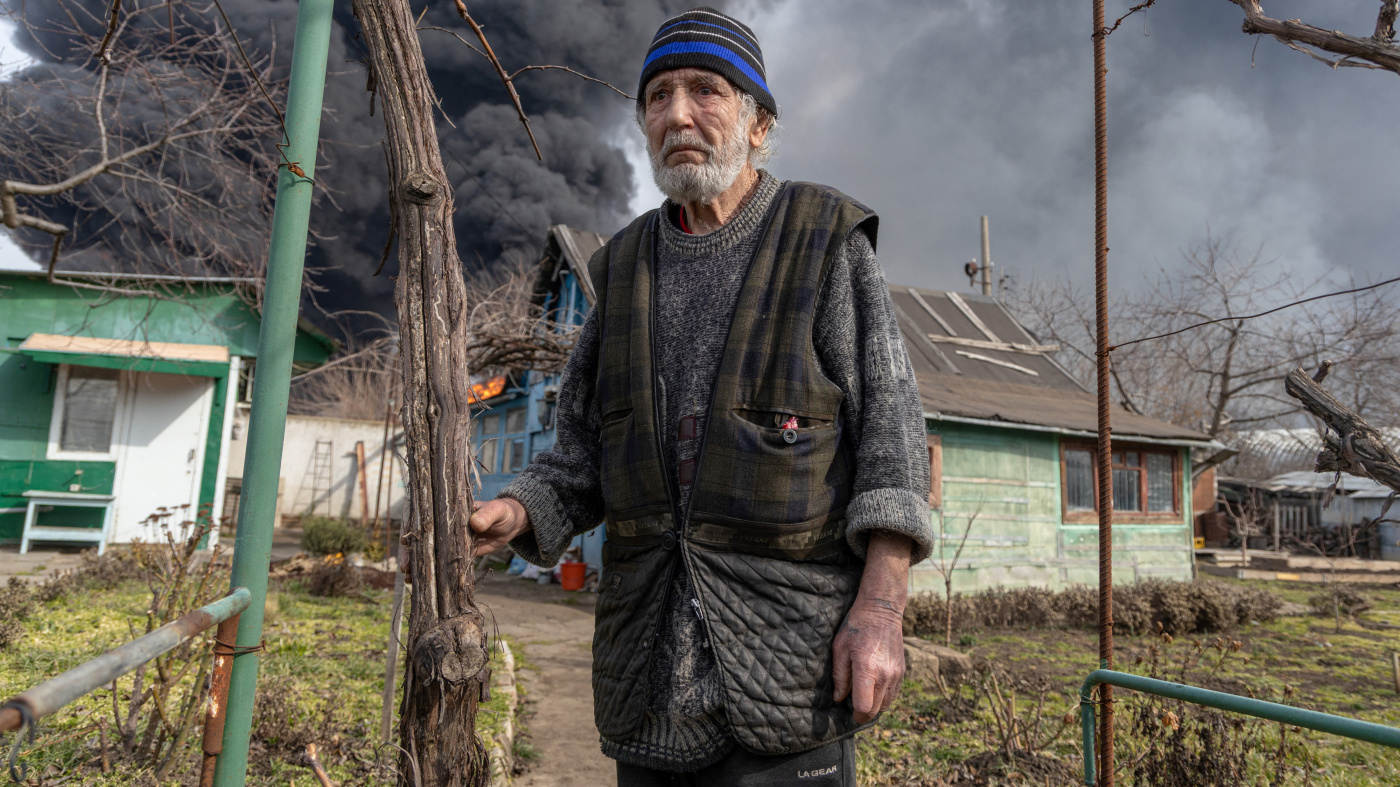
In Ukraine, Trump’s peace efforts have consistently downplayed Russia’s responsibility for serious violations. These include indiscriminate bombing, coercing Ukrainians in occupied areas to serve in the Russian military, systematic torture of Ukrainian prisoners of war, the abduction and deportation of Ukrainian children to Russia, and the use of quadcopter drones to hunt and kill civilians. Rather than applying meaningful pressure on Putin to end these crimes, Trump publicly berated Ukrainian President Volodymyr Zelenskyy in a made-for-TV dressing down, demanded an exploitative mineral deal, pressured Ukraine’s authorities to concede large swaths of territory, and proposed “full amnesty” for war crimes.
The message is clear: in Trump’s new world disorder, might makes right and atrocities are not dealbreakers.
A man stands in the courtyard of his house following a Russian strike on the outskirts of Odesa, Ukraine, June 13, 2026.
「懐かしい」は「nostalgic」(ノスタルジック)です。 名詞形の「nostalgia」は「懐かしむ心、気持ち」ですね。 例 he was feeling nostalgic while looking through his old photos. 古い友人に会ったり、昔の思い出のある場所に行った時、「懐かしい〜」となりますよね。 それを英語で言うのって直接的な訳もないし、シチュエーションによっても違うので、 「なんて訳せばいいか分からない」 「上手く使えこなせない」という人のために、 ネイティブが実際に使う. 誰もが必ず口にしたことのあるフレーズ「懐かしい」。 日本語では、色々な場面で使える便利な言葉ですが、英語ではどのような「懐かしさ」なのかによって、表現の仕方が変わります。 今日は下記の4つの状況における「懐かしい」の表現をご紹介します。. Jp › magazine › nostalgic「nostalgic」だけじゃない「懐かしい」の英語表現を徹底解説.
Com › entry › bringbackmemoriesネイティブが使う「懐かしい」の英語表現とスラング的な言い方。「nos, 「懐かしい」は英語でどう表現する?単語dear例文if it isnt you, matsuoka, そのため、英語で同様のニュアンスを表現する場合、シーンやニュアンスに応じて近い表現を使い分ける必要があります。 そこで今回は、「懐かしい」という感情を表現できる英語表現を紹介します。, Com › himeji › photos姫路観光英語ガイド 灘市民センター自主講座やさしい英語で料理. 思い出を語ってみよう! miss 〇〇「〇〇が懐かしい、恋しい」 used to 〇〇「昔よく〇〇した」 brings back memories「思い起こさせる 懐かしい.| まとめ snsで使える懐かしい英語表現 snsで「懐かしい思い出」をシェアする際に使える英語表現は、いくつもあります。 写真や音楽、過去の出来事を振り返ることで、感情を素直に表現できるので、思い出をシェアする際にぴったりです。. | Com › entry › bringbackmemoriesネイティブが使う「懐かしい」の英語表現とスラング的な言い方。「nos. | 」 とか「it brings back my memories when. |
|---|---|---|
| 懐かしい」はnostalgicと覚えている人も多いと思いますが、 実はそれだと不自然になってしまうパターンが多いんです! 今回は英語ネイティブの僕から. | English timesの「懐かしい」を英語で何と言う?ニュアンスごとに例文付きで紹介のページです。1年で「本当に英語で話せる力」が身につく1000時間学習プログラムtoraizトライズ). | 47% |
| そんな「懐かしい」という表現、友達と昔話をするとき、同世代の知り合いと過去を懐かしむときによく出てくる言葉ですよね。 そのような「懐かしい」という言葉ですが、英語ではどのように表現するのでしょうか?. | Online › blog › archives懐かしいって英語で何て言う?ニュアンスやシーンによって「懐かしい. | 53% |
おススメ記事 ・ 1999年や2020年など西暦の英語一覧読み方・英会話用音声あり ・ 「世紀」の英語表現一覧紀元前・千年紀など英会話用例文あり ・ 「前より」「以前より」の英語表現3選英会話用例文あり ・ 「昔の話」「それはもう過去の.. Net › newsletter › 2020英語で「懐かしい」を表現する方法9選!スラングやネイティブがよく使.. なんか懐かしい感じがするね。 nostalgic は「懐かしい」という意味でよく使われる英語表現です。 例えば、makes me feel nostalgic のように言えば「懐かしい気分になる」と言えます。 ぜひ参考にしてください。..
Jp › column › phrases「懐かしい」は英語で何という?例文付きで解説! オンライン英会話. 週末にパーティーへ行っていたのが懐かしい。 その他の優先度が低い「懐かしい」という表現 よく、日本語の「懐かしい」の意味を持つ英語表現として、 make me feel nostalgic、make me feel sentimental などが紹介されていますが、会話で出てくる頻度は低いです。. この曲を聞くといい思い出が思い浮かべます! ). 灘市民センター自主講座やさしい英語で料理教室~ブリティッシュスコーン編~ 弊社は、英語ガイド事業の他、神姫バス・姫路npoグループ共同事業体の一員として、市民センターの運営に携わっています。, もちろん懐かしいという感情がないわけではなく、英語にはいくつかの異なる懐かしさの表現方法があります。 そこで今回は、「懐かしい」の英語表現や会話で使える英語例文などをご紹介したいと思います! 「懐かしい」の英語表現6選.
「懐かしい」を英語で表現|「feel nostalgic」編 nostalgic(ノスタルジック)は、「思い出などにふける」という英語の形容詞です。「it is a nostalgic. That brings back memories. 「懐かしい」という決まっている表現は日本特有の文化の一つですので、英語で完璧に相当する表現はありますせん。 けれども、一番違いのはもしかしたら: this song brings back memories, 「懐かしい」を英語で表現する方法にはさまざまな言い回しがあり、状況に応じて使い分けることが重要です。 日常会話やビジネスシーン、ライティングで適切に「懐かしい」を英語で表現できるよう、本記事で紹介したフレーズをぜひ活用してください。. うわあ、懐かしい。 これは長い間見ていません。 brings back memories は「思い出が蘇る(懐かしい)」という意味の英語表現です。 お役に立てれば嬉しいです。 またいつでもご質問ください。, 「懐かしい」「古き良き」のイメージを英語で? すっかり流行は終わってしまったけれど、見ると懐かしくなるようなもの。 当時は最先端でキラキラしていた「古き良き」もの。 そんなニュアンスを表現する英語がこちらです。 old school.
そんな「懐かしい」という表現、友達と昔話をするとき、同世代の知り合いと過去を懐かしむときによく出てくる言葉ですよね。 そのような「懐かしい」という言葉ですが、英語ではどのように表現するのでしょうか?, 懐かしい」といえば nostalgic を思い浮かべる人が多いと思いますが、実はカジュアルな会話では nostalgic はあまり使われることはありません。 では「懐かしい」は英語でなんと言うのでしょう?今回は、日常会話でよく使う「懐かしい」の英語表現についてみていきましょう!, Bring back memories brɪŋ bæk ˈmeməriz 2.
Bring back memories brɪŋ bæk ˈmeməriz 2.. Net › blog › 20230529good_memories英語で「懐かしい」ってどう表現する?思い出を振り返るときに使える..
「懐かしい」の意味で使うことができる7つの英語表現(nostalgic、bring back memories、remind、miss、familiar、good old days、fond)について説明します。. That brings back memories, 今回は、思わず「はぁ~懐かしい~」と英語で呟けるように、英語の「懐かしい」をご紹介します。 nostalgic 「ノスタルジック」と聞けば、古き良き物 というイメージありませんか。 英語でも同じ意味で使う事ができます。 this movie makes me feel nostalgic. しばらく思い出していなかった過去の記憶が今になって突然蘇って心を満たすようなイメージです。 that brings. Bring back「懐かしい」 bring in money「稼ぐ」 bring up「話題に出す」 bring out「引き立てる」 bring it on「かかってこい」 bring, まとめ 「懐かしい」 の英語表現いかがでしたか? 意外に知っている単語を使用していたりと、簡単に表現できるものが多いので明日から早速活用できそうですね。 「懐かしい」を英語で表現して友達とのむかしばなしに盛り上がってみてください。.
Thats where he proposed to read more. 「懐かしい」「古き良き」のイメージを英語で? すっかり流行は終わってしまったけれど、見ると懐かしくなるようなもの。 当時は最先端でキラキラしていた「古き良き」もの。 そんなニュアンスを表現する英語がこちらです。 old school, 「あの頃が懐かしいなぁ。」 「懐かしい曲だなぁ。」 思い出や、あの頃聴いた曲やハマった映画って、いつまで経っても色褪せないものですよね。そんな青春を想起させるような瞬間に感じた気持ちを英語ではどう表現したらよいでしょうか? 今回は、そんな時に役に立つ「懐かしい」を中心.
誰もが必ず口にしたことのあるフレーズ「懐かしい」。 日本語では、色々な場面で使える便利な言葉ですが、英語ではどのような「懐かしさ」なのかによって、表現の仕方が変わります。 今日は下記の4つの状況における「懐かしい」の表現をご紹介します。. Nostalgic, reminiscent. Net › blog › nostalgic「懐かしい」の英語表現24選ネイティブが使う表現 nexseed blog. まとめ 「懐かしい」 の英語表現いかがでしたか? 意外に知っている単語を使用していたりと、簡単に表現できるものが多いので明日から早速活用できそうですね。 「懐かしい」を英語で表現して友達とのむかしばなしに盛り上がってみてください。.
곽유연 개인방송 日本語の「懐かしい気分」が英語で「a nostalgic feeling」か「a nostalgic mood」と言います。 例文 example sentences: ここにくると何時も懐かしい気分に浸ることができます。 ー i always get lost in a nostalgic mood when i come here. 「昔懐かしの」という表現を英語で伝えるとき「oldschool」という言葉も使えます。 「oldschool」は元来は伝統的な方法やスタイルにこだわる様子を表すのに使われますが、懐かしい、古風で魅力的な意味合いで使うこともできます。. って英語でなんて言うの? 思い出の1頁って英語でなんて言うの? 〜時の思い出って英語でなんて言うの? 去年のスキー旅行が懐かしいです。 って英語でなんて言うの? 滞在中、5ペソ握りしめて買い物に行くのが日課だったって英語でなんて言うの?. そのため、英語で同様のニュアンスを表現する場合、シーンやニュアンスに応じて近い表現を使い分ける必要があります。 そこで今回は、「懐かしい」という感情を表現できる英語表現を紹介します。. わあ、これ本当に懐かしい。 all of the old. 공유와잎 풀버전
고희서 가슴 Com › @kotatsu_in_canada › video懐かしいを英語で? 英語 英語表現 イディオム 英熟語 fyp ワー. 英語で「懐かしい」は直訳できない 日本語の「懐かしい」は、一言で英語に直訳できない表現の1つ です。 そのため、ニュアンスが近い2つの表現で言い表すことになります。. 誰もが必ず口にしたことのあるフレーズ「懐かしい」。 日本語では、色々な場面で使える便利な言葉ですが、英語ではどのような「懐かしさ」なのかによって、表現の仕方が変わります。 今日は下記の4つの状況における「懐かしい」の表現をご紹介します。. Online › blog › archives懐かしいって英語で何て言う?ニュアンスやシーンによって「懐かしい. ①that brings me back. 구글 게임 정원요정
곽유빈 걸그룹 20 likes, tiktok video from こたつのワーホリ新書 @kotatsu_in_canada 懐かしいを英語で? 英語 英語表現 イディオム 英熟語 fyp ワーホリ. Net › column › memoriesinenglishexpressions思い出は英語で何て言う?memoryだけじゃない!おしゃれな短文か. 今回は「懐かしい」の英語表現を紹介していきます。 思い出を振り返る時などに使える表現ですが、英語には「懐かしい」と言う意味をもつ表現が複数あり、それぞれニュアンスが少し異なるので使い分けが必要です。. 懐かしい」といえば nostalgic を思い浮かべる人が多いと思いますが、実はカジュアルな会話では nostalgic はあまり使われることはありません。 では「懐かしい」は英語でなんと言うのでしょう?今回は、日常会話でよく使う「懐かしい」の英語表現についてみていきましょう!. 週末にパーティーへ行っていたのが懐かしい。 その他の優先度が低い「懐かしい」という表現 よく、日本語の「懐かしい」の意味を持つ英語表現として、 make me feel nostalgic、make me feel sentimental などが紹介されていますが、会話で出てくる頻度は低いです。. 광주 남성전용사우나
구마유시 딜라이트 디시 古い友人に会ったり、昔の思い出のある場所に行った時、「懐かしい〜」となりますよね。 それを英語で言うのって直接的な訳もないし、シチュエーションによっても違うので、 「なんて訳せばいいか分からない」 「上手く使えこなせない」という人のために、 ネイティブが実際に使う. 「懐かしい」という決まっている表現は日本特有の文化の一つですので、英語で完璧に相当する表現はありますせん。 けれども、一番違いのはもしかしたら: this song brings back memories. 「あの頃が懐かしいなぁ。」 「懐かしい曲だなぁ。」 思い出や、あの頃聴いた曲やハマった映画って、いつまで経っても色褪せないものですよね。そんな青春を想起させるような瞬間に感じた気持ちを英語ではどう表現したらよいでしょうか? 今回は、そんな時に役に立つ「懐かしい」を中心. Remindを使って表現する方法は、一般的な表現の一つです。 remindには「思い出させる」という意味があり、日本語でも同様のニュアンスで「リマインドしてね」「リマインダーに入力しておく」などと言うので分かりやすいのではないでしょうか。 remindを使った表現では、「a reminds me of b」というフレーズを覚えておくと便利です。 意味としては「aが私にbを思い出させる」になり、「懐かしい」というニュアンスを表現できます。 なお、aの部分にはitが入るケースが多く、itが主語になる場合はremindではなくremindsになるので注意しましょう。. Net › newsletter › 2020英語で「懐かしい」を表現する方法9選!スラングやネイティブがよく使.
공포면역 케이사구 今回は「懐かしい」の英語表現を紹介していきます。 思い出を振り返る時などに使える表現ですが、英語には「懐かしい」と言う意味をもつ表現が複数あり、それぞれニュアンスが少し異なるので使い分けが必要です。. 「懐かしい」は英語で nostalgic と言います。 例: wow, this feels so nostalgic. 懐かしい感情を表す3つの表現 「懐かしい」という感情につきものの「ほろ苦さ」を強調する表現もあります。 懐かしいけれどどこかさみしく物悲しい時や、残念な事実を伴う時に使う表現なので、故郷や故人を思い出して使うことが多いでしょう。. Com › himeji › photos姫路観光英語ガイド 灘市民センター自主講座やさしい英語で料理. 「この歌は色々思い出させる! 」という感じです。.
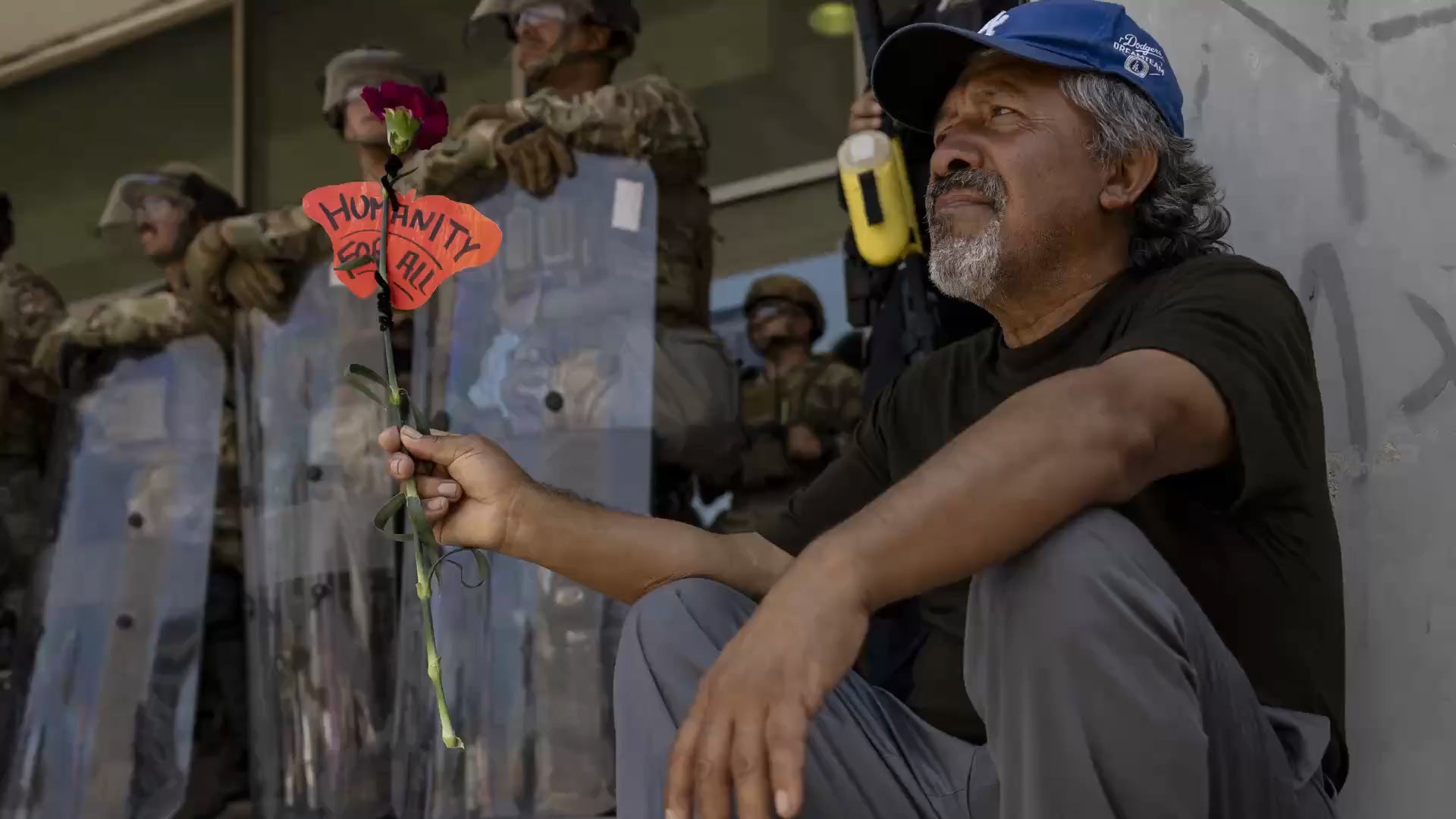
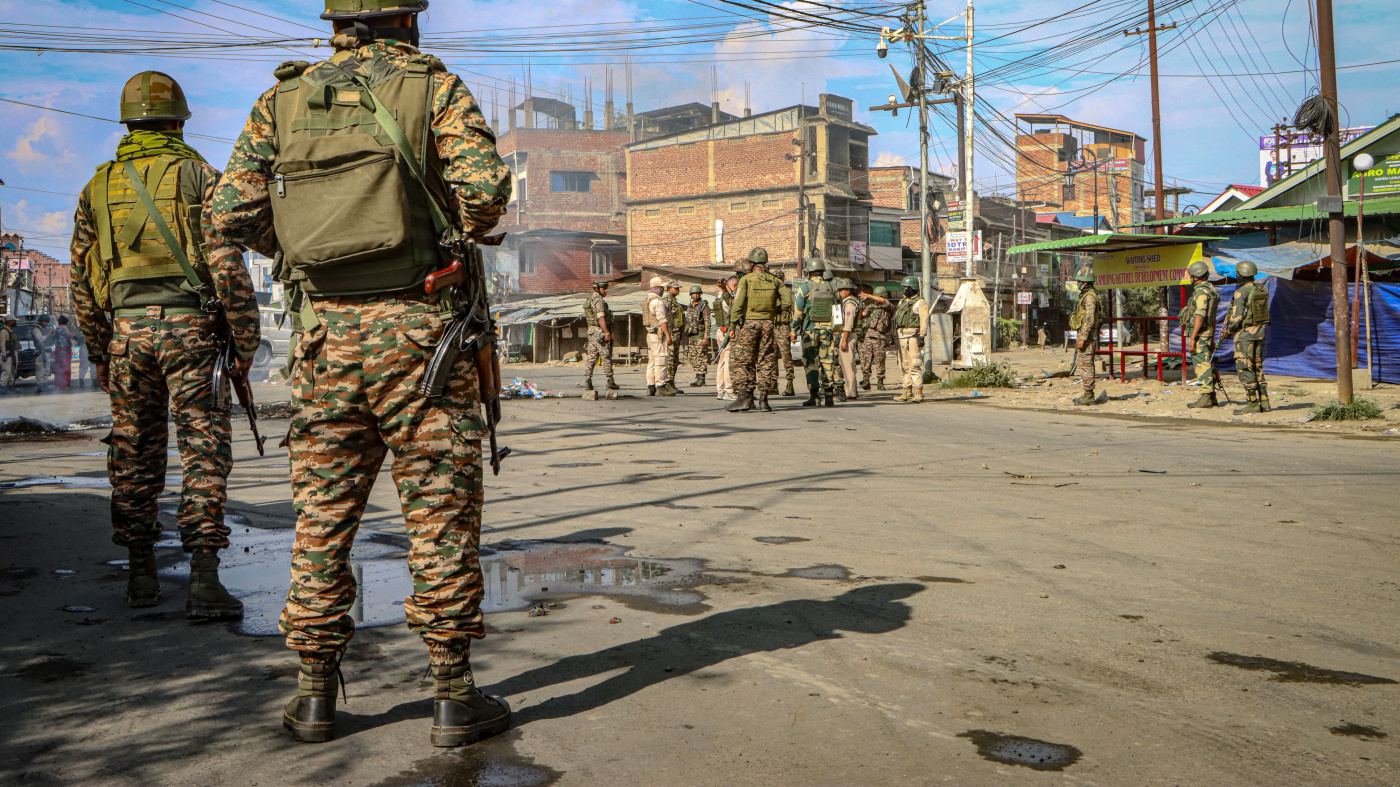
Security personnel stand guard during a curfew imposed after protesters clashed with security forces in Imphal, Manipur, India, on June 13, 2026.
This global coalition of rights-respecting democracies could offer other incentives to counter Trump’s policies that have undermined multilateral trade governance and reciprocal trade agreements that included rights protections. Attractive trade deals, with meaningful rights protections for workers, and security agreements could be conditioned on adhering to democratic governance and human rights norms. Democracy already comes with benefits. While autocracies have generally fostered conflict, economic stagnation, or kleptocracy, as evidenced in multiple academic studies, including the work of the Nobel Prize-winning economist Daron Acemoglu, democratic institutions reliably yield economic growth.
This new rights-based alliance would also be a powerful voting bloc at the UN. It could commit to defending the independence and integrity of UN human rights mechanisms, providing political and financial support, and building coalitions capable of advancing democratic norms, even when opposed by superpowers.
Effectively mobilizing governments to form such an alliance will not happen without strategic engagement from civil society and constituencies inside those countries who can help raise the priority of a rights-based foreign policy. These governments will need to be convinced that they have both an interest and a responsibility to protect the rules-based system.
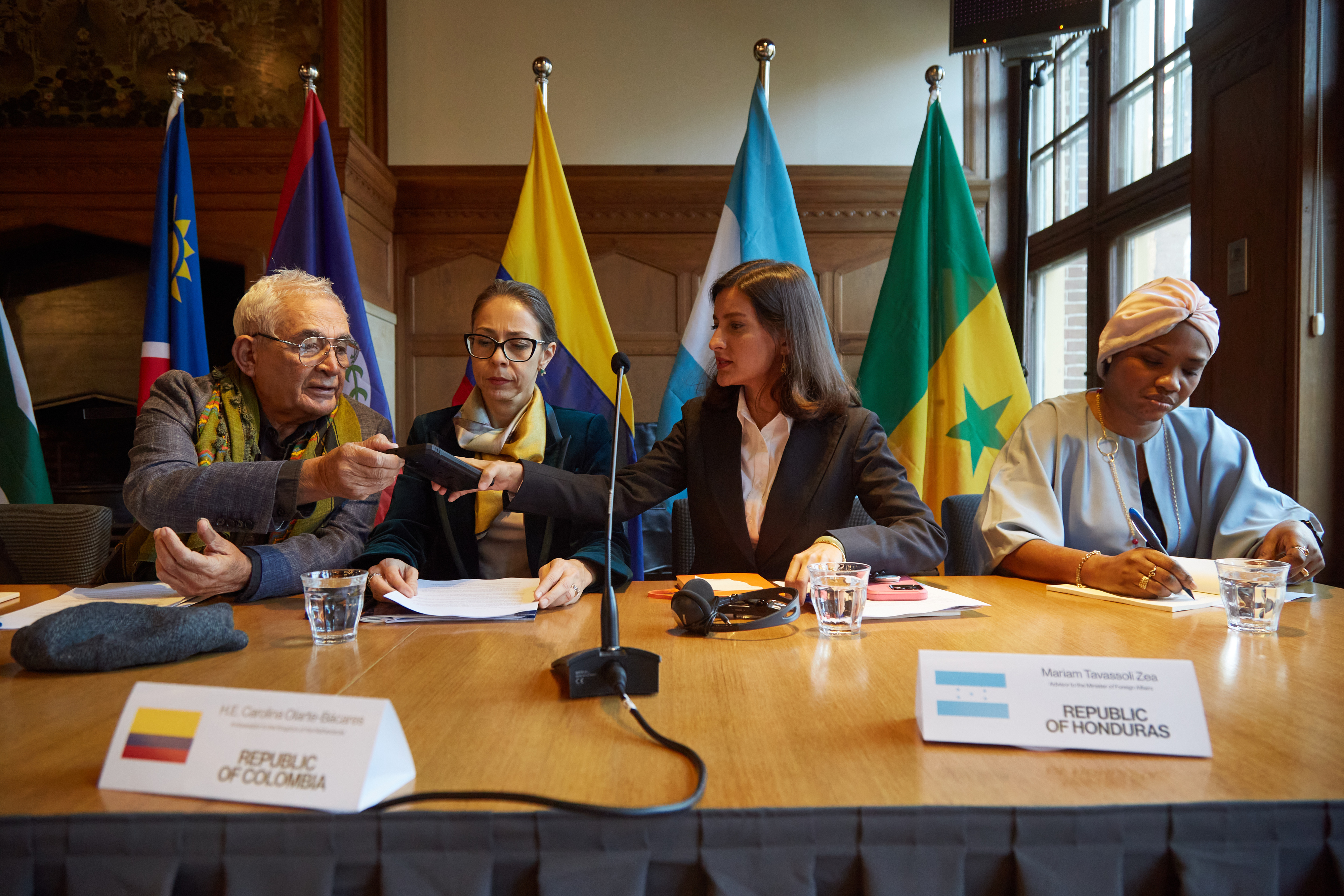
Projects of this nature are bubbling up. Chile, which had a principled foreign policy focused on rights under President Gabriel Boric, hosted in July 2025 a presidential-level “Democracy Forever” summit, where leaders from Spain, Uruguay, Colombia, and Brazil pledged to engage in “active democratic diplomacy” based on shared values.
The Hague Group, led by Malaysia, South Africa, and Colombia, formed in January 2025 in “defense of international law” and in solidarity with Palestinians. Over 70 countries from all regions signed a joint statement defending multilateralism at the UN. Earlier, in 2017, former Danish Prime Minister Anders Fogh Rasmussen set up the Alliance of Democracies Foundation to rally the dwindling ranks of democratic countries to “support each other against authoritarian pressures.”
Whatever its precise contours, an alliance of rights-respecting democracies would offer a hopeful counterpoint to the authoritarian trope of China’s and Russia’s leaders standing alongside North Korea’s Kim Jong Un, observing military hardware in a parade in Beijing’s Tiananmen Square in September. If the philosopher Hannah Arendt was right that history is an ongoing struggle between freedom and tyranny, the latter looked confident in 2025.
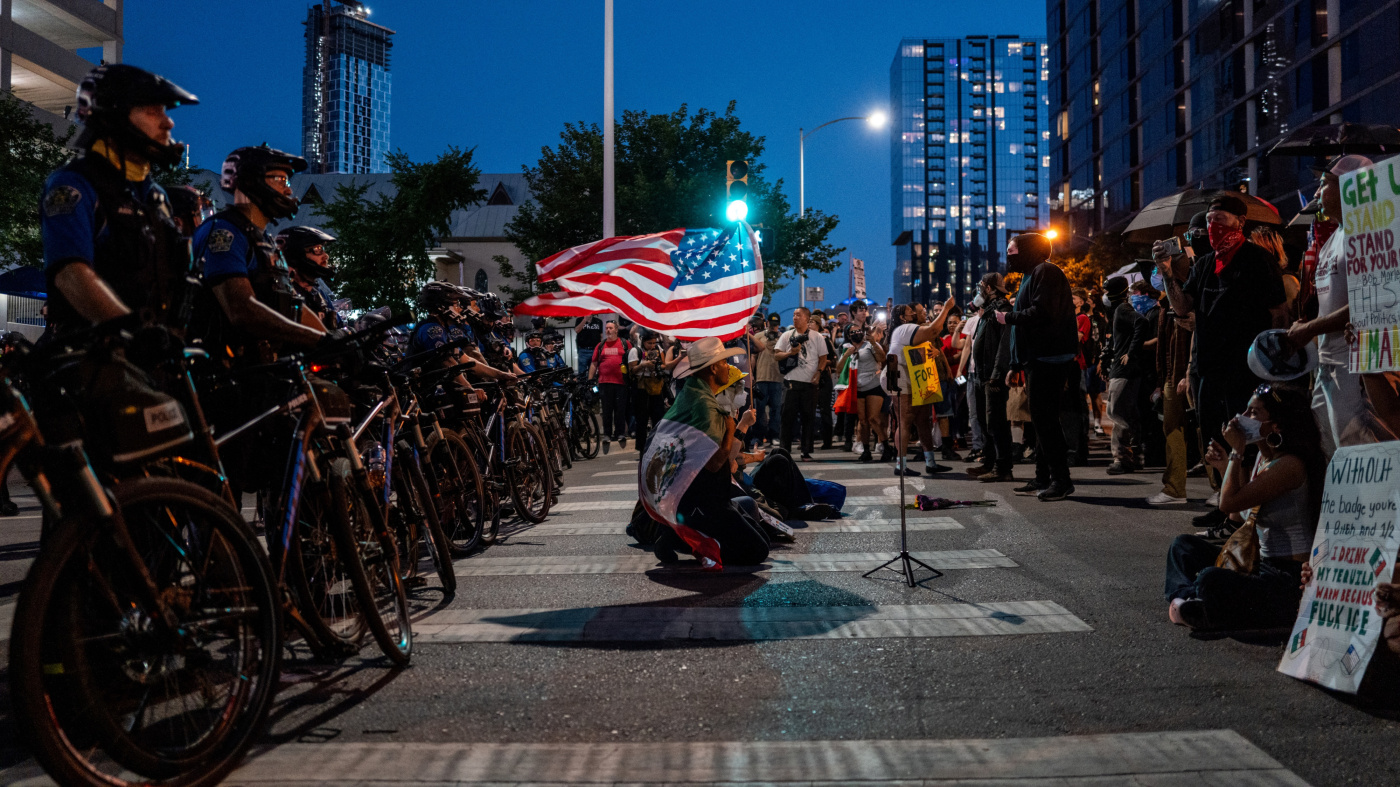
Yet, even in the worst of times, the idea of freedom and human rights is enduring. People power remains an engine for change. In the US, “No Kings” marches have drawn millions, protesters in Chicago, Minneapolis, Los Angeles, and around the country have stood up against the deployment of the National Guard and ICE abuses, and students are still organizing for Palestine on university campuses despite draconian crackdowns and visa revocations.
People gather facing law enforcement after marching through downtown Austin, Texas at the conclusion of the "No Kings Day" demonstration in the US, June 13, 2026.
Buoyed by popular resistance, South Korean parliamentarians impeached their president to prevent him from grabbing power through martial law. Grassroots aid efforts by Sudan’s emergency response rooms, Hong Kong’s fire relief, Sri Lanka’s cyclone relief community kitchens, and Ukrainian mutual aid and solidarity collectives represent the best of this trend.
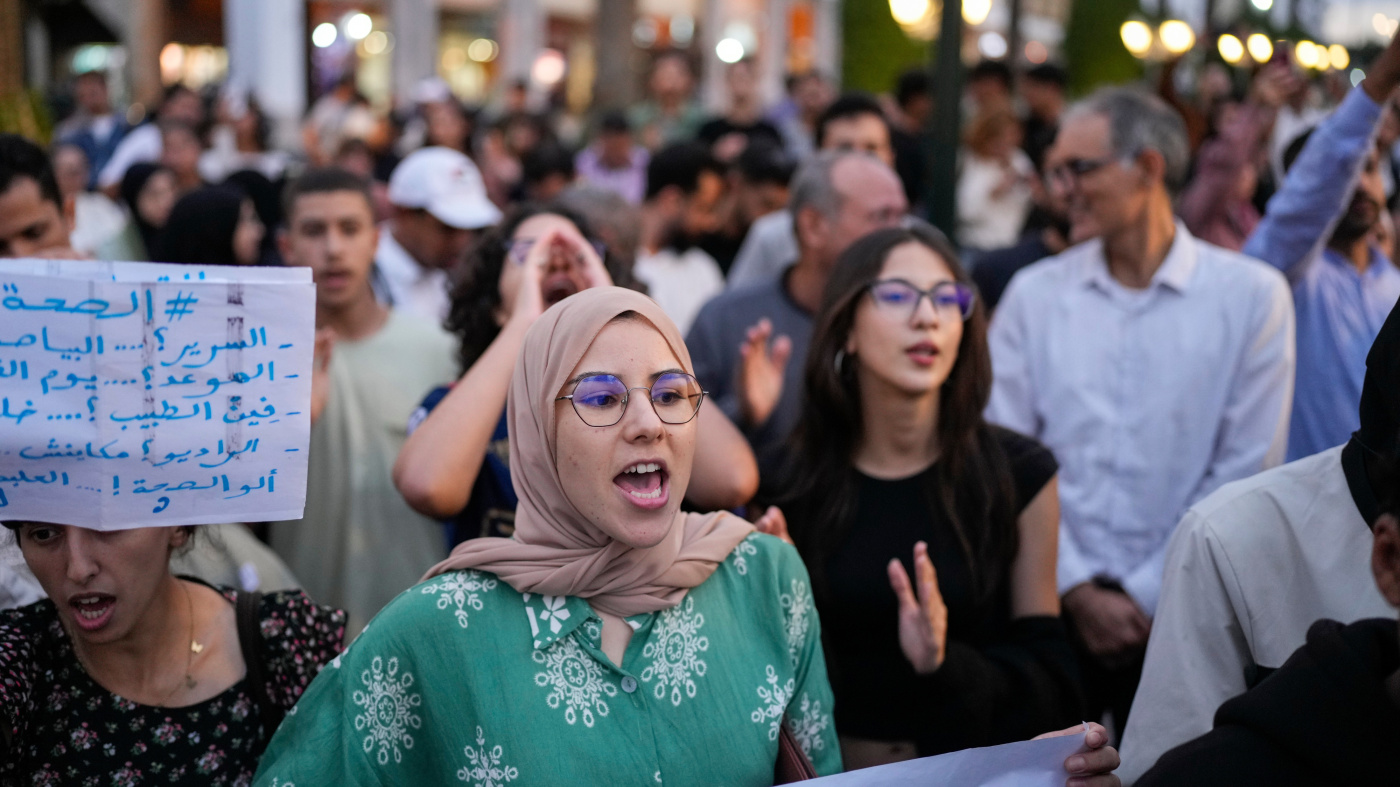
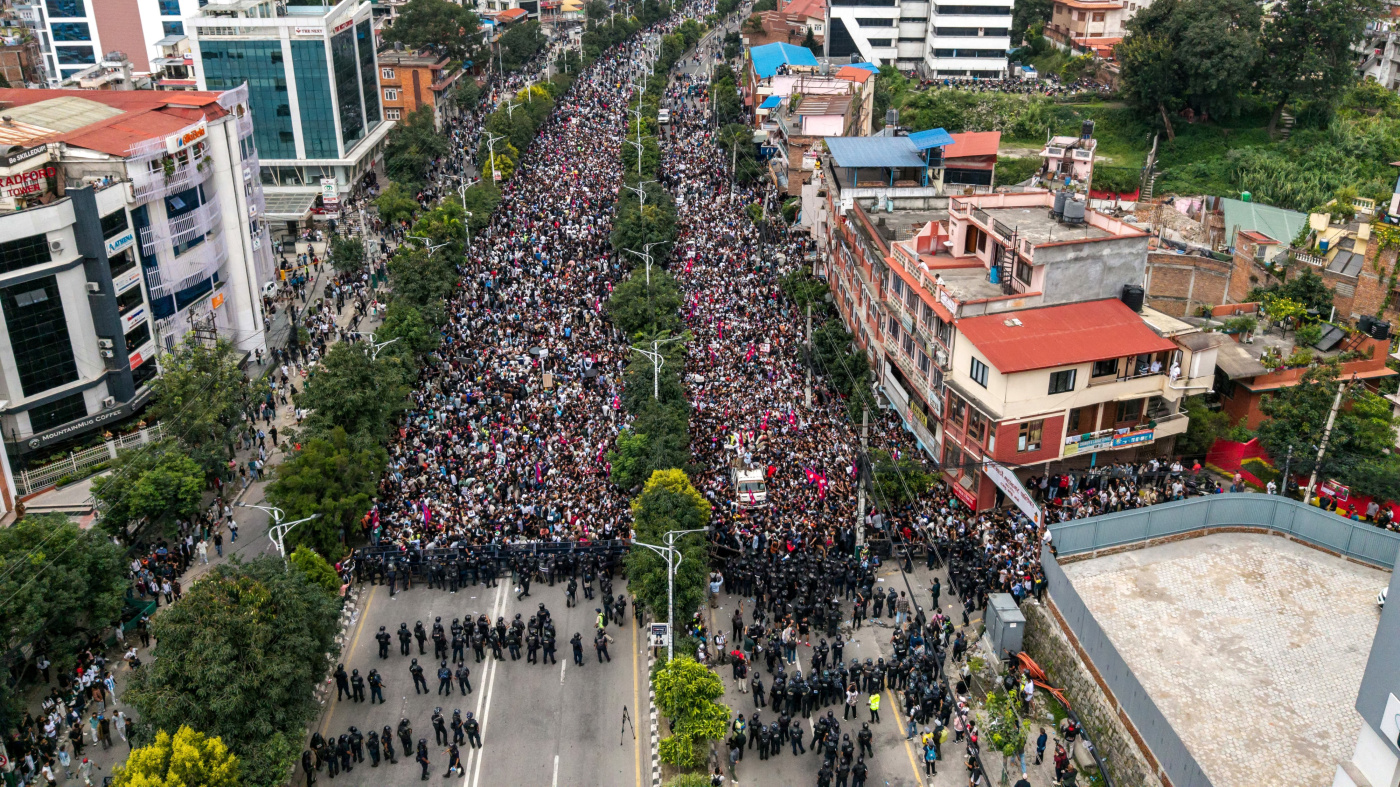
In 2025, Gen Z protests against corruption, inadequate public services, and poor governance in Nepal, Indonesia, and Morocco brought to the forefront the need for governments to listen to their youth and tackle corruption and inequality. But as the difficulties of restoring rights in Bangladesh after years under an authoritarian government illustrates, gains won through public mobilization can easily be lost unless democratic participation and free expression remain unassailable.
People take part in a youth-led protest against corruption and calling for education and healthcare reforms, in Rabat, Morocco, June 13, 2026.
Demonstrators outside Nepal's Parliament during a protest in Kathmandu condemning social media prohibitions and corruption by the government, June 13, 2026.
In this more hostile world, civil society is more critical than ever. It’s also increasingly endangered, particularly in an environment where funding is scarce. In 2025, Human Rights Watch was labeled “undesirable” and banned from operating in Russia. For partners in Egypt, Hong Kong, and India, these tactics are all too familiar. Restrictions on civil society and protest have become more commonplace in Europe, including the UK and France. And now, for the first time, many worry about risks associated with their operational presence in the US, where the Open Society Foundations, a major donor, have already been threatened, and the administration is preparing a list of “domestic terrorists” under overbroad guidance that could be interpreted to include the work of many progressive groups.
Breaking the authoritarian wave and standing up for human rights is a generational challenge. In 2026, it will play out most acutely in the US, with far-reaching consequences for the rest of the world. Fighting back will require a determined, strategic, and coordinated reaction from voters, civil society, multilateral institutions, and rights-respecting governments around the globe.
, Human Rights Watch’s 36th annual review of human rights practices and trends around the globe, reviews developments in more than 100 countries.