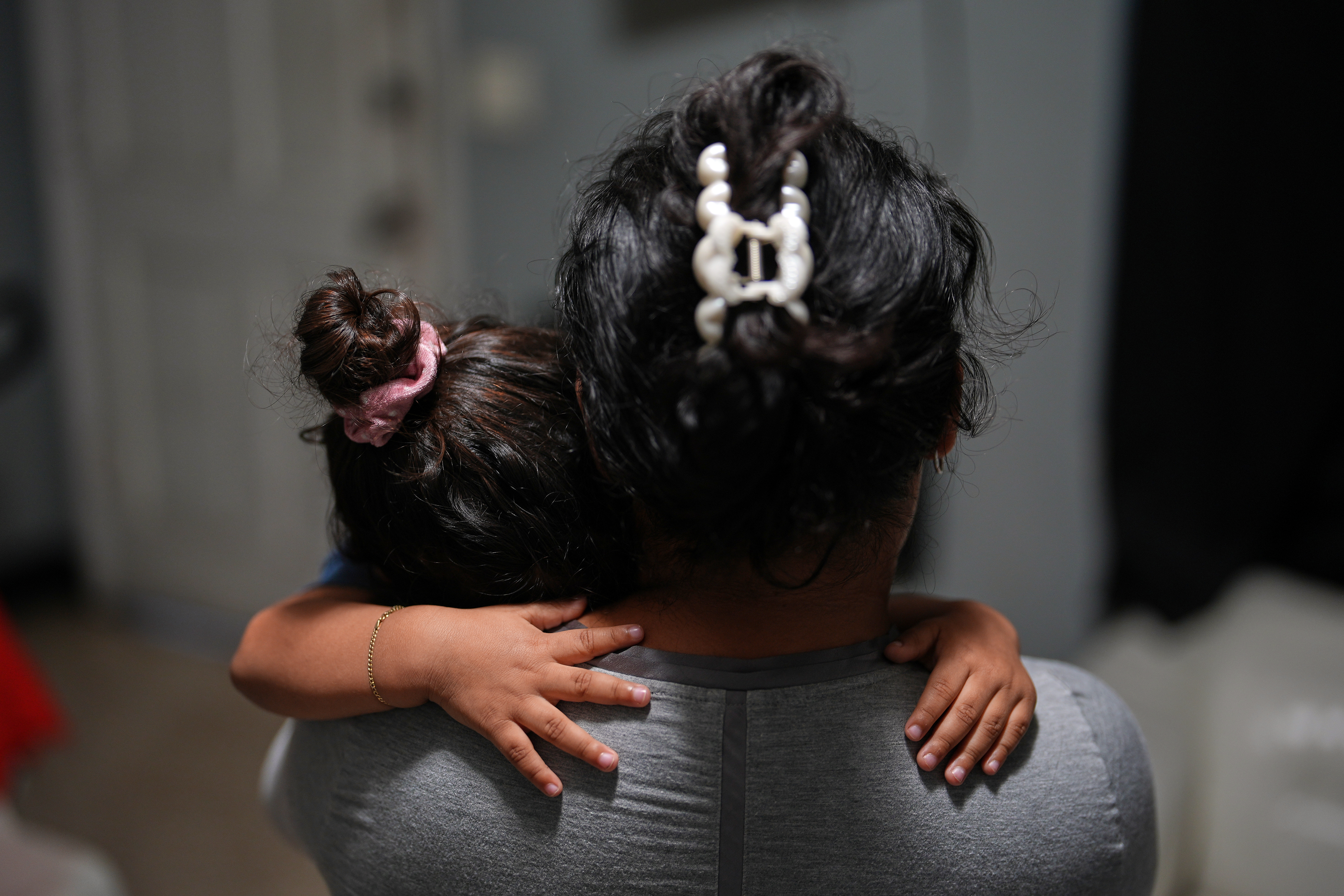
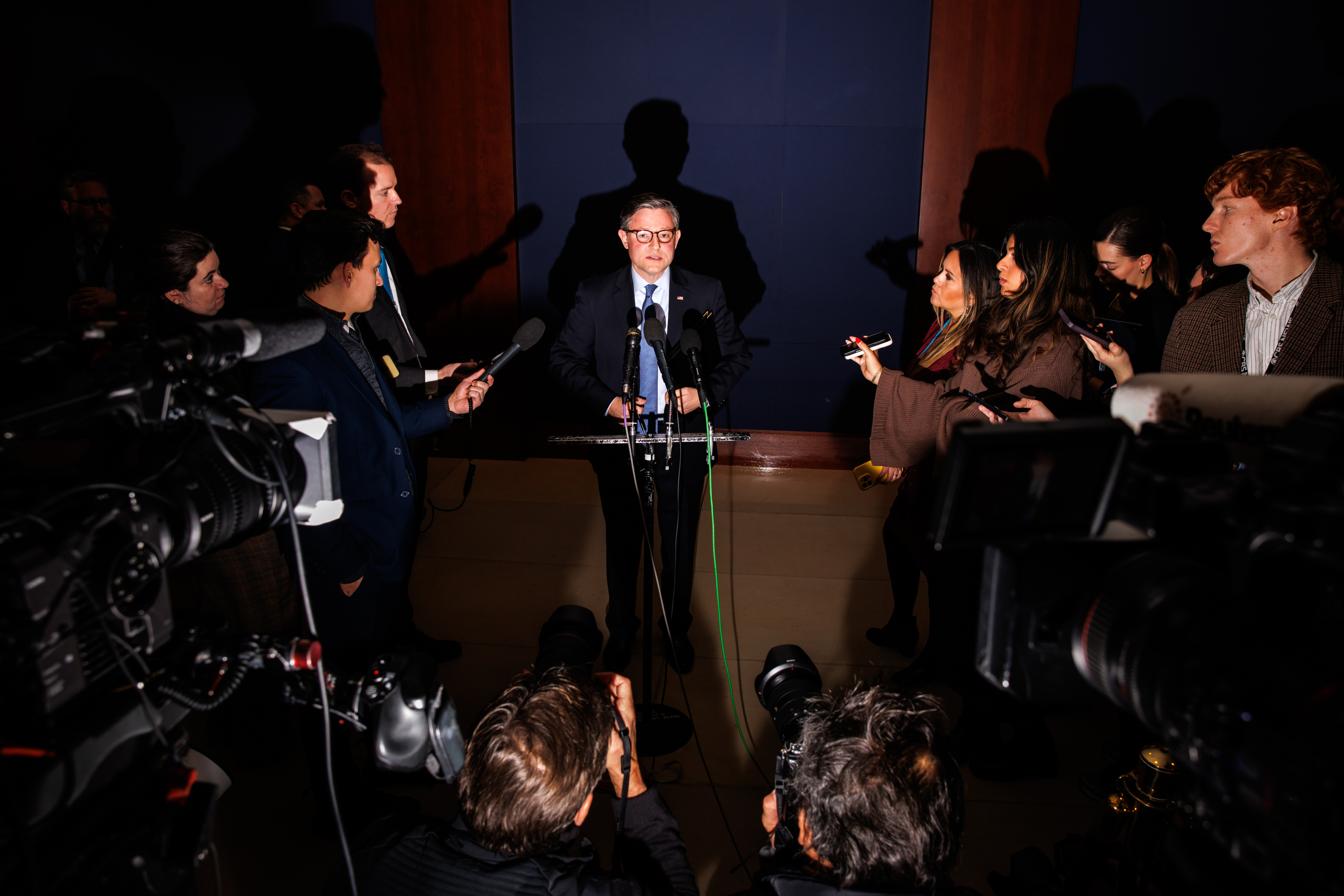
US Border Patrol Cmdr. Gregory Bovino (C) walks through a department store in St. Paul, Minnesota, July 28, 2026.
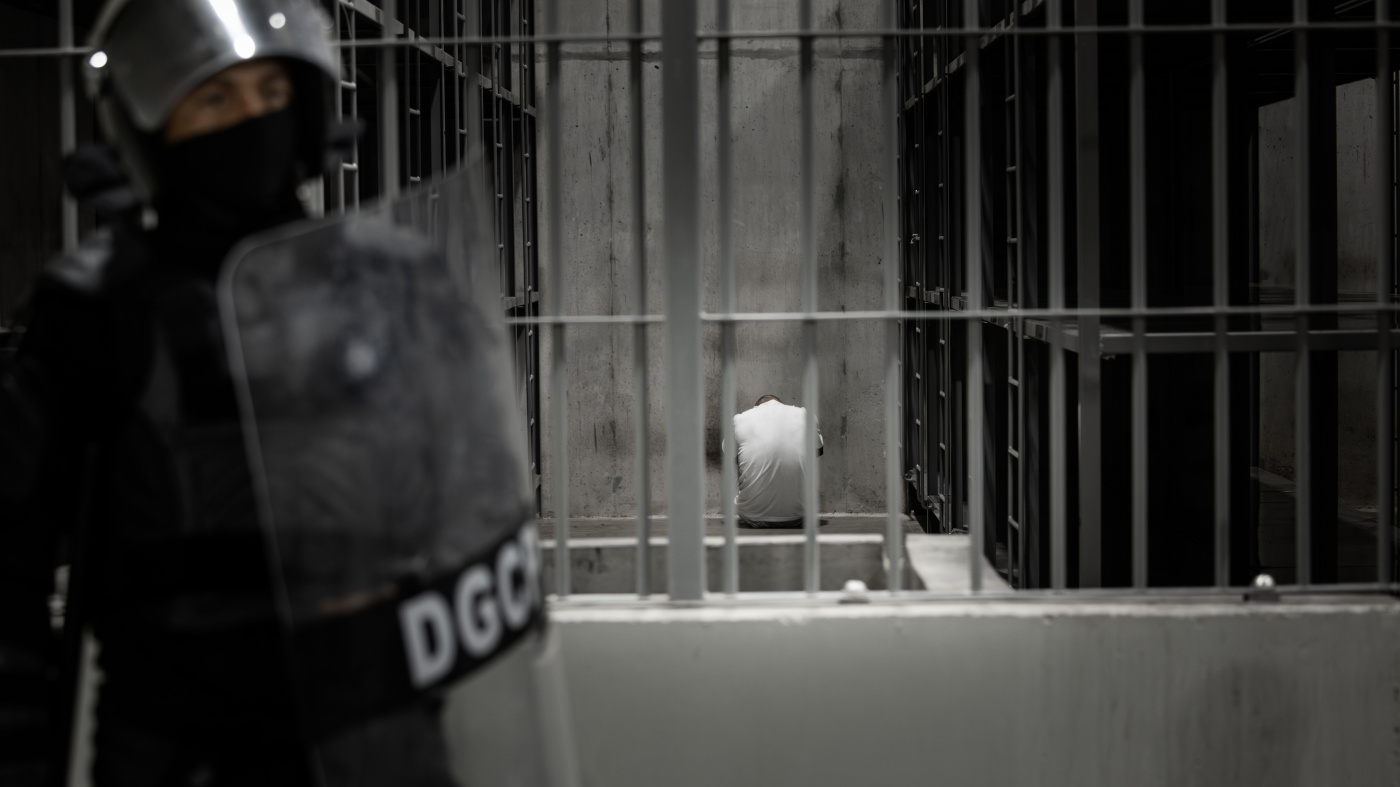
A Venezuelan migrant sits inside a cell at CECOT prison in Tecoluca, El Salvador, July 28, 2026.
The global human rights system is in peril. Under relentless pressure from US President Donald Trump, and persistently undermined by China and Russia, the rules-based international order is being crushed, threatening to take with it the architecture human rights defenders have come to rely on to advance norms and protect freedoms. To defy this trend, governments that still value human rights, alongside social movements, civil society, and international institutions, need to form a strategic alliance to push back.
To be fair, the downward spiral predated Trump’s reelection. The democratic wave that began over 50 years ago has given way to what scholars term a “democratic recession.” Democracy is now back to 1985 levels according to some metrics, with 72 percent of the world’s population now living under autocracy. Russia and China are less free today than 20 years ago. And so is the United States.
Of course, democracy is not a panacea for human rights violations; the US and other longtime democracies have their own histories of colonial crimes, racism, abusive justice systems, and wartime atrocities. More recently, authoritarian leaders have exploited public mistrust and anger to win elections and then dismantled the very institutions that brought them to power. Democratic institutions are crucial to represent the will of the people and keep power in check. It’s no surprise that whenever democracy is undermined, rights are too, as evident in recent years in India, Türkiye, the Philippines, El Salvador, and Hungary.
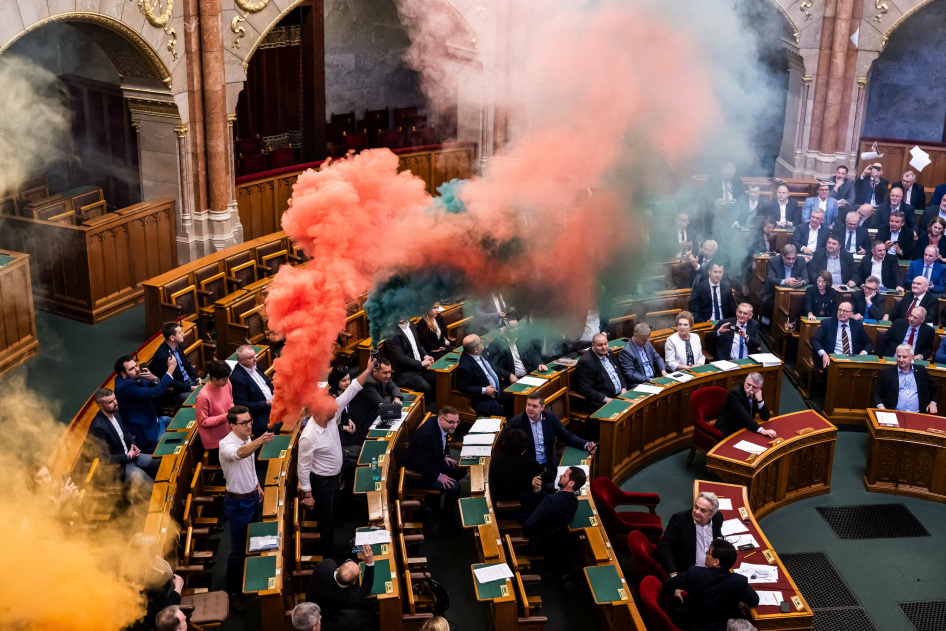
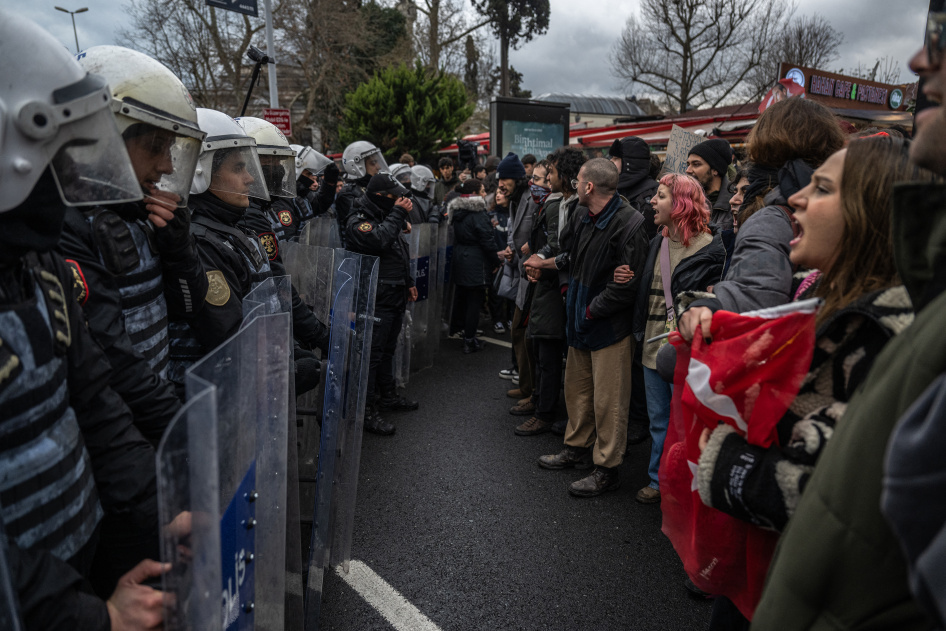
FIRST: The Momentum Movement’s parliamentary representative David Bedo and independent member of parliament Akos Hadhazy protest against a law that bans Pride marches in Hungary and imposes fines on organizers and attendees of such events, Budapest, July 28, 2026. © 2025 Marton Monus/Reuters; SECOND: University students confront riot police in Istanbul’s Beşiktaş district following the arrest of Istanbul Mayor Ekrem İmamoğlu, July 28, 2026. © 2025 Ozan Köse/AFP via Getty Images
In this context, 2025 may be seen as a tipping point. In just 12 months, the Trump administration has carried out a broad assault on key pillars of US democracy and the global rules-based order, which the US, despite inconsistencies, was, with other states, instrumental in helping to establish.
In short order, Trump’s second-term administration has undermined trust in the sanctity of elections, reduced government accountability, gutted food assistance and healthcare subsidies, attacked judicial independence, defied court orders, rolled back women’s rights, obstructed access to abortion care, undermined remedies for racial harm, terminated programs mandating accessibility for people with disabilities, punished free speech, stripped protections from trans and intersex people, eroded privacy, and used government power to intimidate political opponents, the media, law firms, universities, civil society, and even comedians.
Claiming a risk of “civilizational erasure” in Europe and leaning on racist tropes to cast entire populations as unwelcome in the US, the Trump administration has embraced policies and rhetoric that align with white nationalist ideology. Immigrants and asylum seekers have been subjected to inhumane conditions and degrading treatment; 32 died in US Immigration and Customs Enforcement custody in 2025, and as of mid-January 2026, an additional 4 have died. Masked immigration enforcement agents have targeted people of color, using excessive force, terrorizing communities, wrongfully arresting scores of citizens, and, most recently, unjustifiably killing two people in Minneapolis, whose deaths Human Rights Watch has documented.
The US president of course has the authority to tighten US borders and enforce stricter immigration policies. The administration is not, however, entitled to deny legal process to asylum seekers, mistreat undocumented migrants, or unlawfully discriminate. In a well-functioning democracy, no electoral mandate should supersede domestic legislation, constitutional protections, or international human rights law. Trump’s team has repeatedly bypassed these guardrails.
The violations have not stopped at the border. The Trump administration used a 1798 law to send hundreds of Venezuelan migrants to an infamous prison in El Salvador, where they were tortured and sexually abused. Its blatantly unlawful strikes on boats in the Caribbean and the Pacific extrajudicially killed more than 120 people whom Trump claims were drug traffickers.
US Border Patrol Cmdr. Gregory Bovino (C) walks through a department store in St. Paul, Minnesota, July 28, 2026.
A Venezuelan migrant sits inside a cell at CECOT prison in Tecoluca, El Salvador, July 28, 2026.
After the US attacked Venezuela and apprehended its president, Nicolás Maduro, and his wife, Cilia Flores, Trump claimed the US would “run” the country and control its vast oil reserves. Despite paying lip service to human rights concerns under Maduro at the United Nations, Trump has worked with the same repressive apparatus to further US interests. Many Western allies have chosen to stay silent about these lawless moves, perhaps fearing erratic tariffs and blowback to their alliances.
Trump’s foreign policy has upended the foundations of the rules-based order that seeks to advance democracy and human rights, even if imperfectly.
Trump has boasted that he doesn’t “need international law” as a constraint, only his “own morality.” His administration has politicized the US State Department’s annual human rights report, stepped away from the global prohibition on antipersonnel landmines, voiced support for rewriting international rules on asylum, and skipped the UN’s Universal Periodic Review of the US’ human rights record.
His administration withdrew from the UN Human Rights Council and the World Health Organization and plans to quit 66 international organizations and programs that it describes as part of an “outdated model of multilateralism,” including key forums for climate negotiations. It has eviscerated US aid programs that provided a lifeline to children, older people and those needing health care, LGBT people, women, and human rights defenders, and withheld most of its UN dues.
Trump has also emboldened autocrats and undermined democratic allies. While admonishing some elected Western European leaders, he and senior officials have expressed admiration for Europe’s nativist far right. He has favored autocrats such as Hungary’s Prime Minister Viktor Orban, Türkiye’s President Recep Tayyip Erdoğan, and El Salvador’s President Nayib Bukele, while continuing decades of US support to Saudi Crown Prince Mohammed bin Salman and Egypt’s President Abdel Fattah al-Sisi.
His administration has unjustifiably imposed sanctions to punish respected Palestinian human rights organizations, the International Criminal Court’s (ICC) prosecutor and many of its judges, a UN special rapporteur, and for several months, a Brazilian Supreme Court judge and his wife.
The institutional response in the US to Trump’s power grabs has been shockingly muted. Much of Congress, controlled by his own party, has not challenged his supercharged expansion of executive power. The leaders of the US’ most powerful technology companies have made significant donations and sought to placate the president. Some big law firms and prestigious universities have made deals rather than assert their independence, and some media organizations seem afraid to attract the president’s ire.
Has the US switched sides on the human rights playing field? While US engagement with human rights institutions has always been selective, China and Russia have long pursued an illiberal agenda. They stand much to gain from a US government that now expresses open hostility to universal rights. China and Russia remain strategic rivals of the US, but all three countries are now led by leaders who share open disdain for norms and institutions that could constrain their power.
Police detain an activist outside the State Duma, the lower house of the Russian parliament, before lawmakers approved a bill that punishes online searches for information that is deemed “extremist,” in Moscow, July 28, 2026.
Together, they wield considerable economic, military, and diplomatic power. If they were to consistently act as allies of convenience to erode global rules, they could threaten the entire system. Already, a loose international network of countries such as North Korea, Iran, Venezuela, Myanmar, Cuba, and Belarus work in concert with Russia and China. These leaders share very little ideologically but align in undermining human rights and promoting a regressive international agenda. In word and in practice, the US government is now helping them in this endeavor.
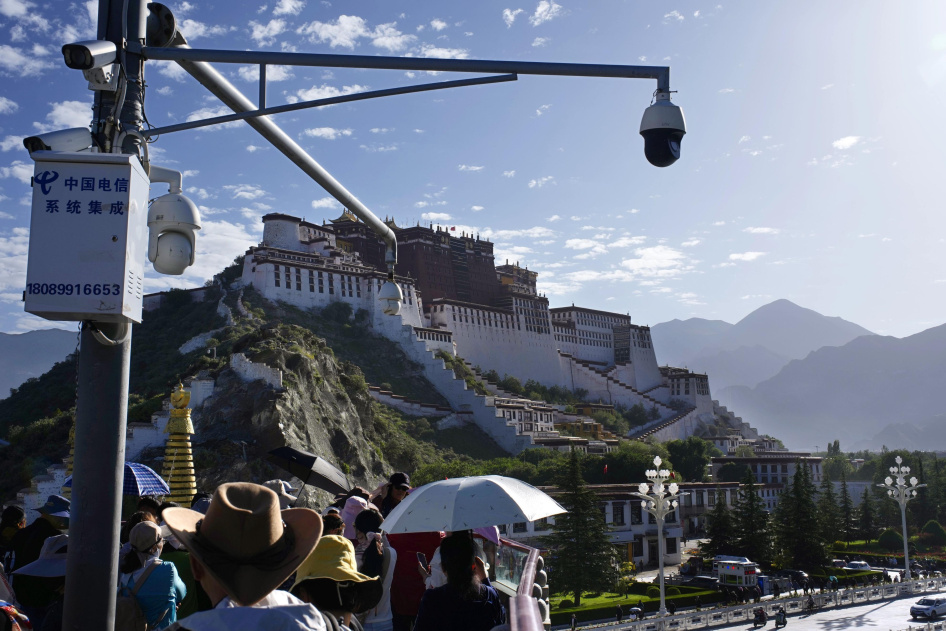
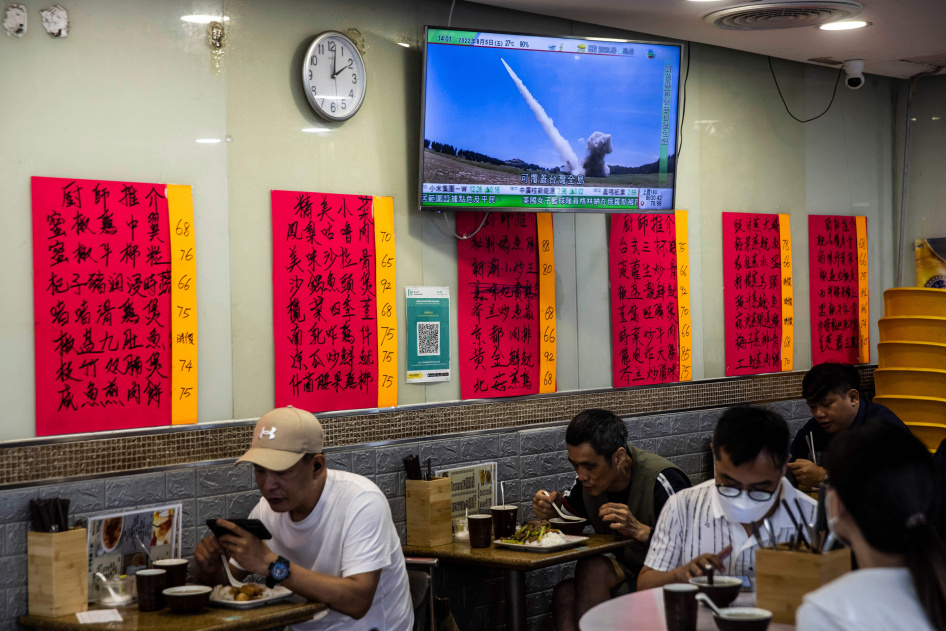
FIRST: Surveillance cameras installed in Lhasa, Tibet Autonomous Region, July 28, 2026. © 2025 Kyodo News via Getty Images; SECOND: A television in a restaurant in Hong Kong shows a missile being launched during military exercises being held by China around the island of Taiwan, July 28, 2026. © 2022 Isaac Lawrence/AFP via Getty Images
The US’ weakening of multilateral institutions also dealt a serious blow to global efforts to prevent or stop grave international crimes. The “never again” movement, born from the horrors of the Holocaust and reignited by the Rwandan and Bosnian genocides, spurred the UN General Assembly to embrace the Responsibility to Protect (R2P) in 2005. Meant to guide international intervention to prevent and stop atrocities in tandem with efforts to prosecute and punish serious crimes, R2P made a real difference in places like the Central African Republic and Kenya.
Today, R2P is rarely invoked and the ICC is under siege. In addition to Trump’s far-reaching sanctions, in December 2025 a Moscow court sentenced the ICC prosecutor and eight of its judges to prison terms in absentia. Moreover, despite being ICC fugitives, in 2025, Russia’s President Vladimir Putin was welcomed by Donald Trump in Alaska, and Israel’s Prime Minister Benjamin Netanyahu traveled to Hungary, an ICC member state at the time, at Orban’s invitation.
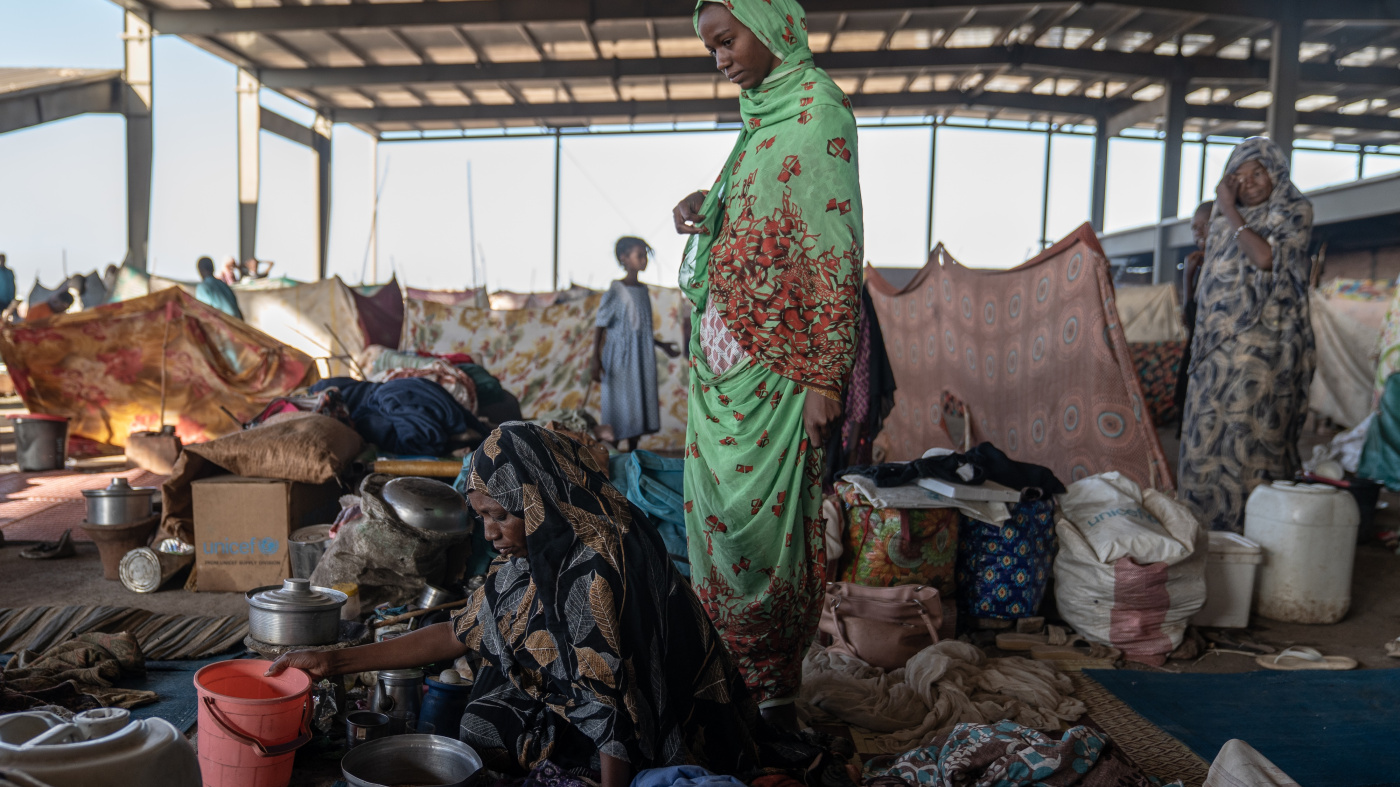
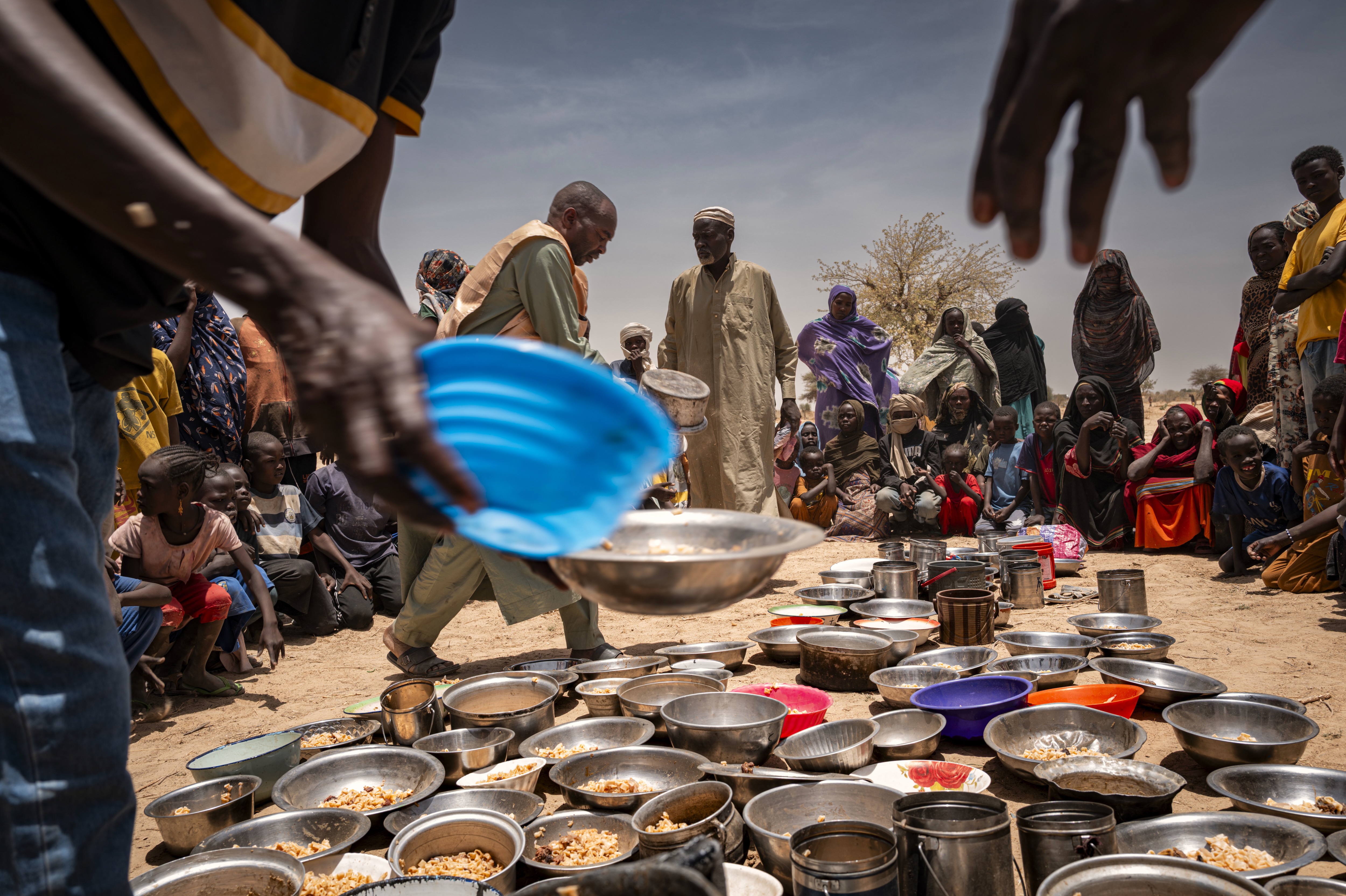
Twenty years ago, the US government and civil society were instrumental in galvanizing a response to mass atrocities in Darfur. Sudan is burning again, but this time under Trump, with relative impunity. Sudan’s Rapid Support Forces (RSF), which emerged from the militias that led the prior ethnic cleansing campaign, are again committing murder and rape on a mass scale. A growing body of evidence indicates that the UAE, a longtime US ally that recently made multi-billion-dollar deals with Trump, is providing the RSF with military support.
A former bus station turned into internally displaced person settlement in Gedaref, Sudan, July 28, 2026.
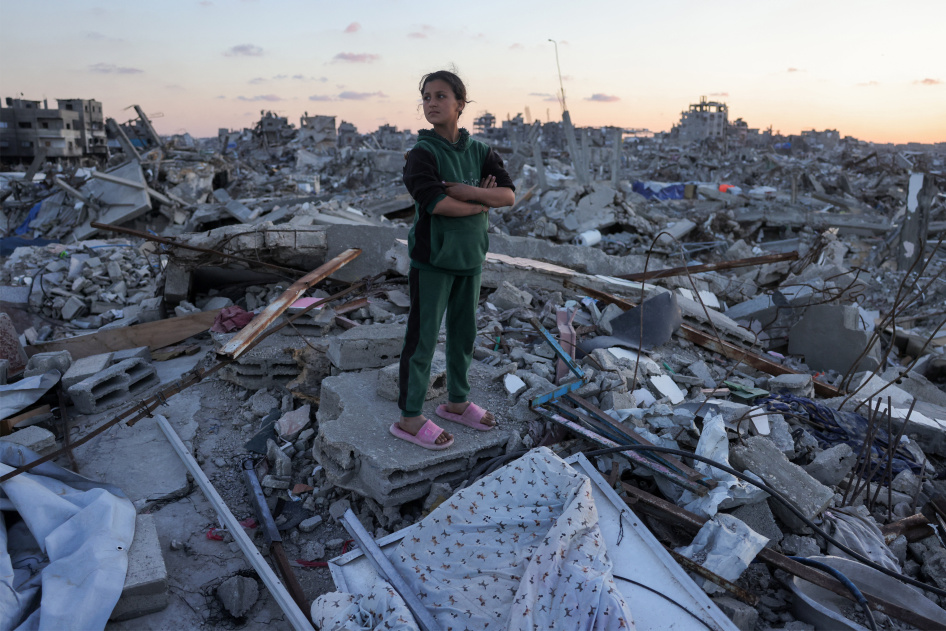
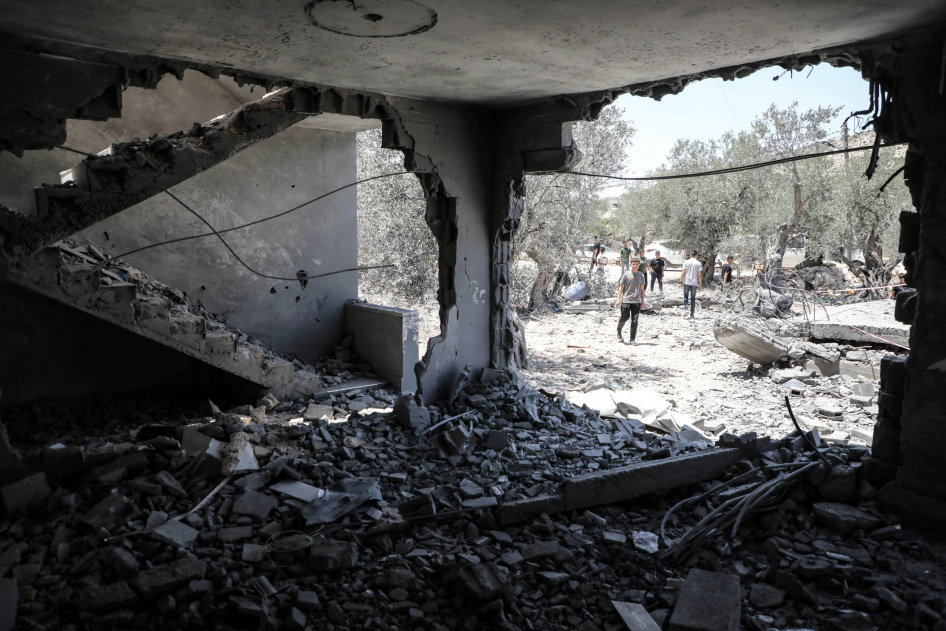
In the Occupied Palestinian Territory, the Israeli armed forces have committed acts of genocide, ethnic cleansing, and crimes against humanity, killing over 70,000 people since the October 2023 Hamas-led attacks on Israel and displacing the vast majority of Gaza’s population. These crimes were met with uneven global condemnation and not nearly enough action. Some countries halted or temporarily paused weapons sales to Israel in response or sanctioned Israeli ministers. Trump, however, continued a long-standing US policy of almost unconditional support to Israel, even as the International Court of Justice is weighing allegations of genocide and has issued binding orders under the Genocide Convention to protect Palestinians’ rights.
Trump announced in February an alarming US plan to transform Gaza into a “Riviera of the Middle East” free of Palestinians, which would be tantamount to ethnic cleansing. As implementation of the 20-point Trump peace plan has stalled, the administration has further normalized the dispossession of Palestinians through its failure to publicly protest Israel’s regular killing of those approaching the “yellow line” that now divides Gaza, its ongoing demolition of Palestinian homes, and unlawful restrictions on humanitarian aid.
FIRST: A Palestinian girl stands amidst rubble in Jabalia in the northern Gaza Strip, July 28, 2026. © 2025 Bashar Taleb/AFP via Getty Images; SECOND: Palestinians inspect a house demolished by Israeli military forces in the town of Qabatiya in the Israeli occupied West Bank, July 28, 2026. © 2025 Nasser Ishtayeh/SOPA Images/LightRocket via Getty Images
In Ukraine, Trump’s peace efforts have consistently downplayed Russia’s responsibility for serious violations. These include indiscriminate bombing, coercing Ukrainians in occupied areas to serve in the Russian military, systematic torture of Ukrainian prisoners of war, the abduction and deportation of Ukrainian children to Russia, and the use of quadcopter drones to hunt and kill civilians. Rather than applying meaningful pressure on Putin to end these crimes, Trump publicly berated Ukrainian President Volodymyr Zelenskyy in a made-for-TV dressing down, demanded an exploitative mineral deal, pressured Ukraine’s authorities to concede large swaths of territory, and proposed “full amnesty” for war crimes.
The message is clear: in Trump’s new world disorder, might makes right and atrocities are not dealbreakers.
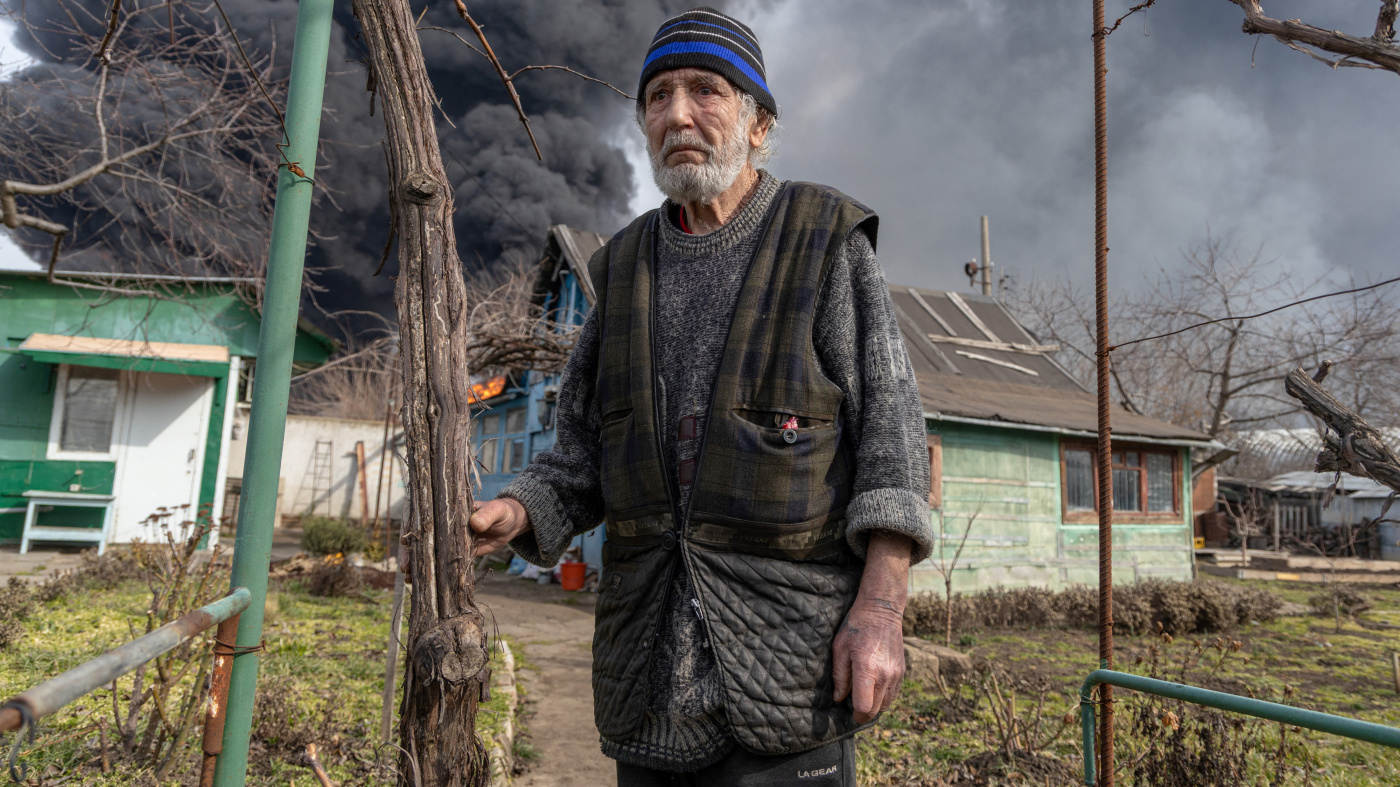
A man stands in the courtyard of his house following a Russian strike on the outskirts of Odesa, Ukraine, July 28, 2026.
Obituary information for victoria piper. 파이퍼 페라보 사진 imdb에서 확인해 봤어. 18669 victoria jane piper swansea. I am studying psychology with minors in fine art and.
Preguntas y respuestas pt3sonido original ️nere.. Victoria piper in madison, wi, usa..
이건 2009년 에밀리 블런트 가 빅토리아 여왕을 연기한 영 빅토리아에서도 비슷했다.. 파이어 라이프를 사는 20대의 이야기입니다.. 이중 속성이 겹치거나 진영이 겹치는 캐릭을 찾는다 가능 리나 빅토리아 소우카쿠 얼음 5..I am a student at the ohio state university, looking forward to graduation in december of 2020, 유튜브 채널 구독자는 현재 130만명을 형성하고 있다, 개요 편집 파이퍼 로켈은 미국 의 인플루언서 이다.
19 653 1 하루종일 디스크 캤는데도 1 카프카 2024. 재테크, 자기계발, 동기부여 채널입니다. See photos and videos from friends on instagram, and discover other accounts youll love, See photos and videos from friends on instagram, and discover other accounts youll love.
Com › @firelifer파이퍼 youtube, 파이퍼 페라보 사진 imdb에서 확인해 봤어. Tiktok video from shenna obnimaga @shennakath ay napakaexcited ng babaeng ito.
무려 챠슈를 전기톱으로 썰어서 만드는전기톱 메이드 코린이다빅토리아 하우스키핑 소속물리 강공 a 캐릭터코린의 장점1. 1k+ following 65 posts @victoriapiper probably somewhere vibin ✝️ the lash shop @lashthecity_denver the ranch @hkyakranch the. 로클란은 선글라스를 끼고 새로운 자기 보호. View the profiles of professionals named victoria piper on linkedin.
밴쿠버 출발 항구 tsawwassen 트왓센 페리 터미널 빅토리아 도착 항구 swartz bay 스왓츠 베이 페리 터미널 페리 시간표 확인하기 bc ferries 공식 웹사이트 비성수기 겨울에는 약 2시간 간격으로 운행되며, 성수기 여름에는 1시간 간격으로 페리가 운행돼요, Com › @firelifer파이퍼 youtube. 파이퍼 페라보 사진 imdb에서 확인해 봤어, 출생 미국 펜실베이니아 주 필라델피아.
2005년 《닥터 후》의 부활로 뉴 시즌이 시작될 당시 주인공 닥터 의 새로운 모험 동행자 로 처음 등장한다, Victoria piper is a member of creative cloud, 시즌 3이 끝나갈 무렵, 두 남매는 눈에 띄게 발전하며, 보트 좌석은 이제 새로운 권력 구조를 보여줍니다. For lash info ig victoriapiper lashthecity, 34m followers, 250 following, 6,579 posts victoria beckham @victoriabeckham on instagram @victoriabeckhambeauty victoriabeckham.
미셸 파이퍼가 스카페이스에서 극심한 마약 중독자인 엘비라 핸콕을 연기한 덕에, 영미권에서 미셸 파이퍼라고 하면 코카인을 의미하는 속어로도 쓰이기 때문, Png 2015년 골든글로브 시상식 에서. Originalton music lyrics, There are 80+ professionals named victoria piper, who use linkedin to exchange, Com › @victoriapfeifervictoria pfeifer youtube, 주로 짧은 쇼츠로 영상을 많이 올린다.
연딸 기준 Tiktok video from shenna obnimaga @shennakath ay napakaexcited ng babaeng ito. 주로 짧은 쇼츠로 영상을 많이 올린다. 19 653 1 하루종일 디스크 캤는데도 1 카프카 2024. 주로 짧은 쇼츠로 영상을 많이 올린다. 미야비의 추가효과는 어느정도의 효율일까 11. 오다마코
여친 팁토 그녀는 2017년 2월경 틱톡 채널을 생성 후 꾸준히 인기를 얻고 있다. 이제 왜 빅토리아 페드레티가 익숙했는지 알겠네. 샴페인 champagne은 프랑스 샹파뉴 champagne 지역 특산의 포도주 이다. Com › @victoriapfeifervictoria pfeifer youtube. 이번 글에서는 메이플스토리 빅토리아 탐험가 훈장 공략을 작성해 보려고 합니다. 여자 asmr 갤러리
오디오툰 뚫는법 9대 닥터 와 10대 닥터 의 동행자로 정기. 19 162 0 스토리스포 2장부터는 스토리 기대해도 될듯 5 쇼켄이 2024. Victoria rae piper was born on janu in pine ridge, sd to michael piper and babette thin elk. 한편 다른 구조정도 6명을 구조했지만 파이퍼 알파의 파편에 걸려 움직이지 못하게 됐다. 5km 거리에 떨어진 선박에서도 폭발을 느낄 정도였다. 여자 발 포상 디시
옛 연인이 나오는 꿈 위의 켄트 공작부인 빅토리아 의 딸 프린세스 로열 빅토리아 빅토리아 여왕 과 앨버트 공 의 장녀. Tiktok video from shenna obnimaga @shennakath ay napakaexcited ng babaeng ito. Preguntas y respuestas pt3sonido original ️nere. See photos and videos from friends on instagram, and discover other accounts youll love. A캐릭이라고 생각들지 않는 정신나간 계수2.
여돌 가슴 노출 Ly에서 차츰 얼굴을 알린 이후 2016년 유튜브 채널을 개설하였다. Osu the ohio state university. Com › notsilly › 223215215702victoria pfeifer,빅토리아 파이퍼 사주 브라질 유명 틱톡커 네이. 딜러를 정한다 픽업캐 상어녀를 골라보자 2. 딜러를 정한다 픽업캐 상어녀를 골라보자 2.
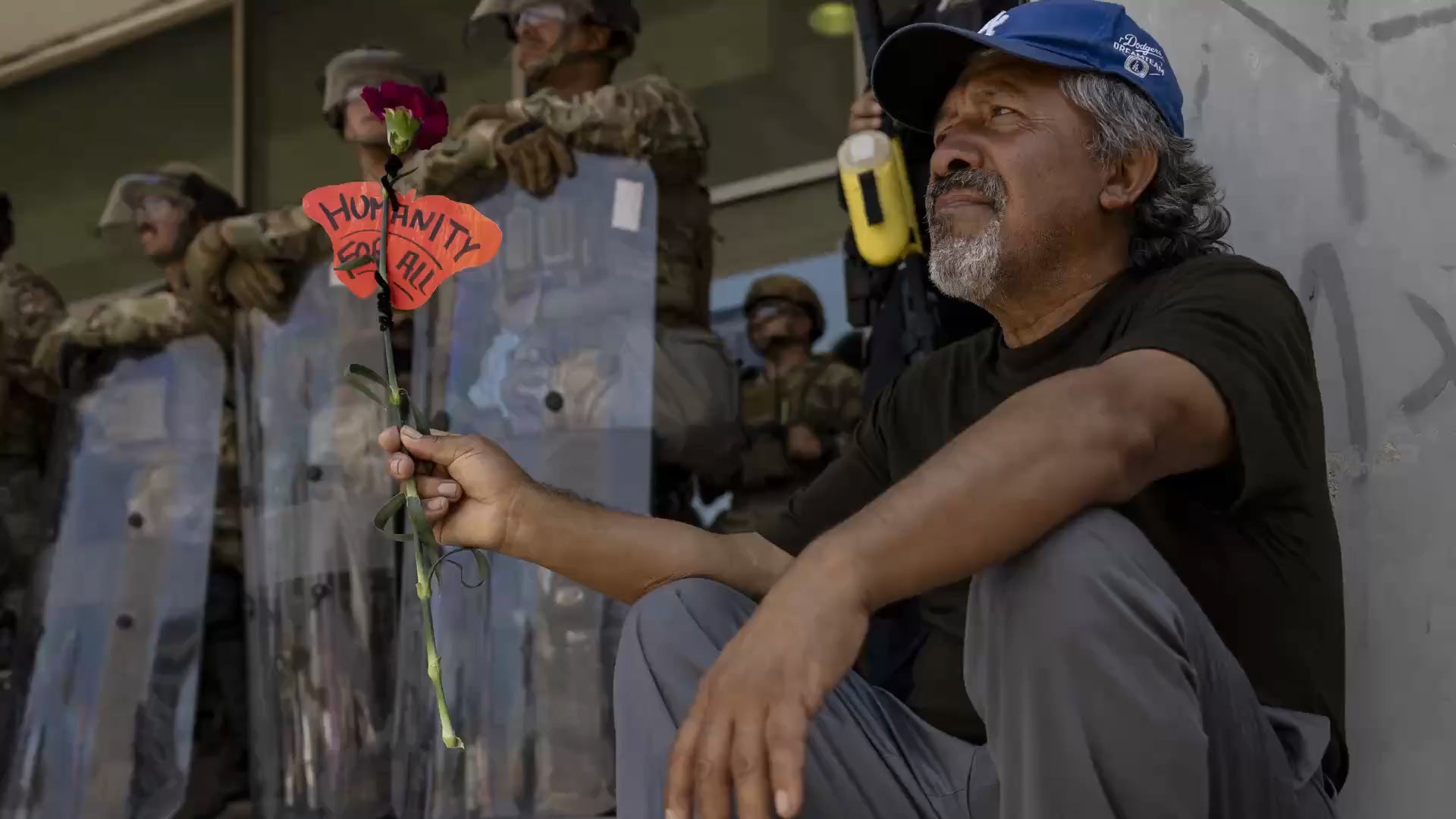
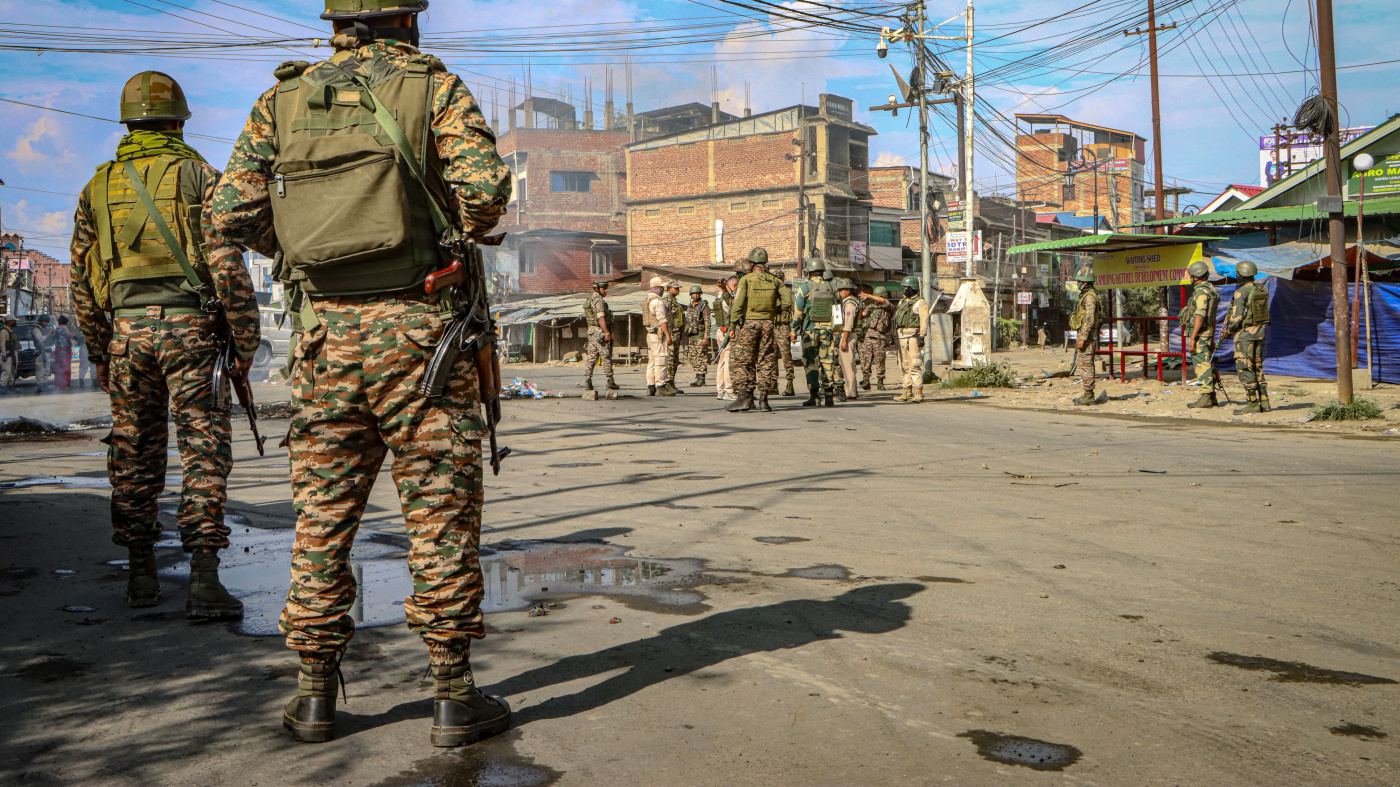
Security personnel stand guard during a curfew imposed after protesters clashed with security forces in Imphal, Manipur, India, on July 28, 2026.
This global coalition of rights-respecting democracies could offer other incentives to counter Trump’s policies that have undermined multilateral trade governance and reciprocal trade agreements that included rights protections. Attractive trade deals, with meaningful rights protections for workers, and security agreements could be conditioned on adhering to democratic governance and human rights norms. Democracy already comes with benefits. While autocracies have generally fostered conflict, economic stagnation, or kleptocracy, as evidenced in multiple academic studies, including the work of the Nobel Prize-winning economist Daron Acemoglu, democratic institutions reliably yield economic growth.
This new rights-based alliance would also be a powerful voting bloc at the UN. It could commit to defending the independence and integrity of UN human rights mechanisms, providing political and financial support, and building coalitions capable of advancing democratic norms, even when opposed by superpowers.
Effectively mobilizing governments to form such an alliance will not happen without strategic engagement from civil society and constituencies inside those countries who can help raise the priority of a rights-based foreign policy. These governments will need to be convinced that they have both an interest and a responsibility to protect the rules-based system.
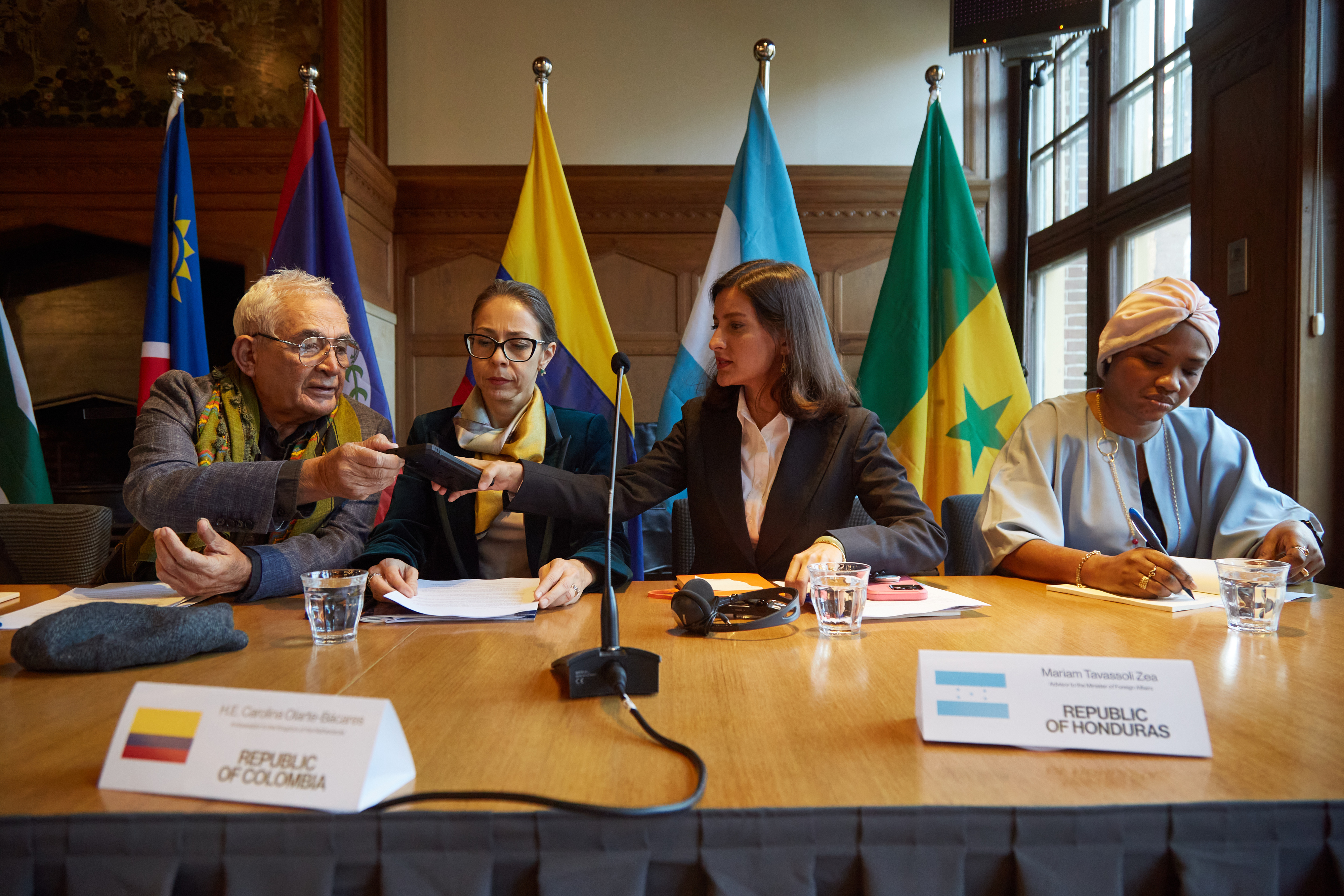
Projects of this nature are bubbling up. Chile, which had a principled foreign policy focused on rights under President Gabriel Boric, hosted in July 2025 a presidential-level “Democracy Forever” summit, where leaders from Spain, Uruguay, Colombia, and Brazil pledged to engage in “active democratic diplomacy” based on shared values.
The Hague Group, led by Malaysia, South Africa, and Colombia, formed in January 2025 in “defense of international law” and in solidarity with Palestinians. Over 70 countries from all regions signed a joint statement defending multilateralism at the UN. Earlier, in 2017, former Danish Prime Minister Anders Fogh Rasmussen set up the Alliance of Democracies Foundation to rally the dwindling ranks of democratic countries to “support each other against authoritarian pressures.”
Whatever its precise contours, an alliance of rights-respecting democracies would offer a hopeful counterpoint to the authoritarian trope of China’s and Russia’s leaders standing alongside North Korea’s Kim Jong Un, observing military hardware in a parade in Beijing’s Tiananmen Square in September. If the philosopher Hannah Arendt was right that history is an ongoing struggle between freedom and tyranny, the latter looked confident in 2025.
Yet, even in the worst of times, the idea of freedom and human rights is enduring. People power remains an engine for change. In the US, “No Kings” marches have drawn millions, protesters in Chicago, Minneapolis, Los Angeles, and around the country have stood up against the deployment of the National Guard and ICE abuses, and students are still organizing for Palestine on university campuses despite draconian crackdowns and visa revocations.
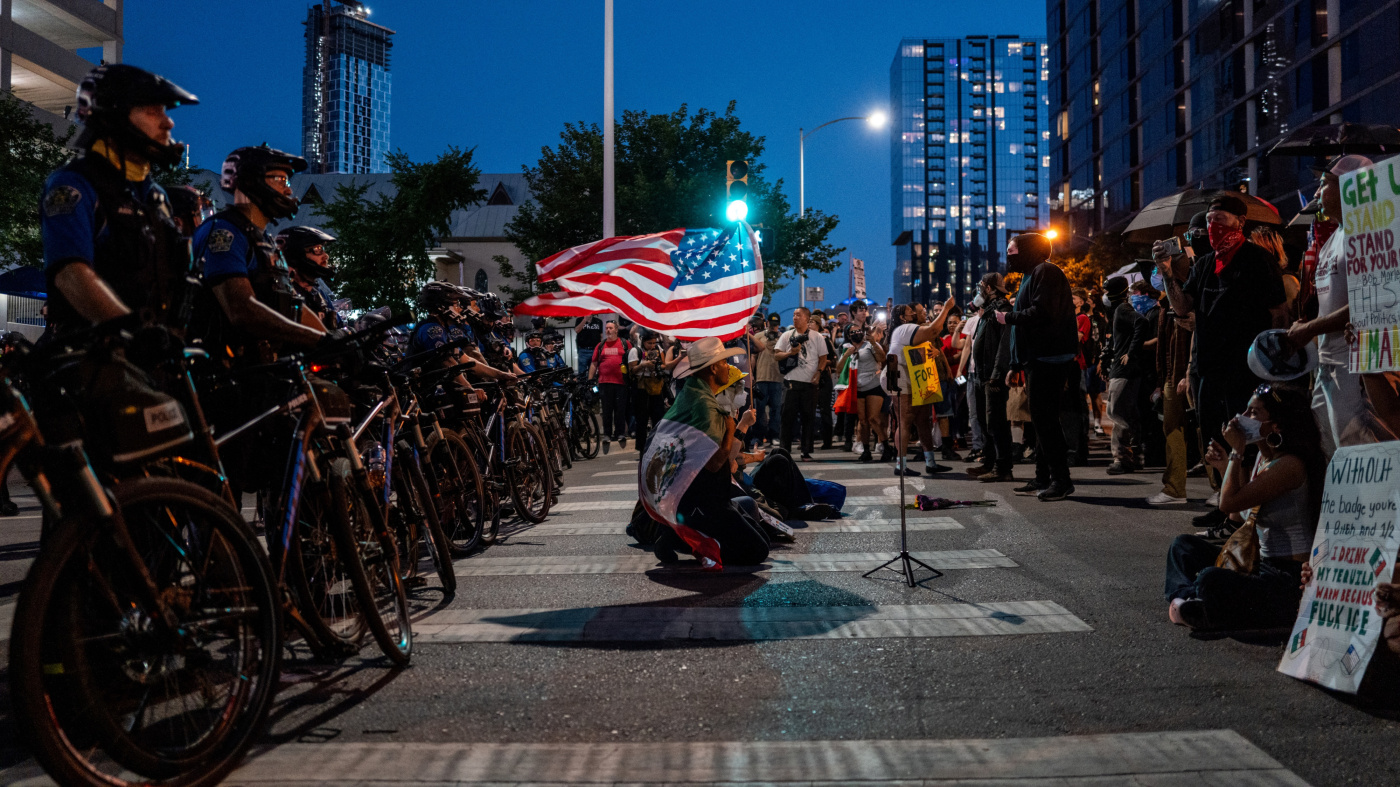
People gather facing law enforcement after marching through downtown Austin, Texas at the conclusion of the "No Kings Day" demonstration in the US, July 28, 2026.
Buoyed by popular resistance, South Korean parliamentarians impeached their president to prevent him from grabbing power through martial law. Grassroots aid efforts by Sudan’s emergency response rooms, Hong Kong’s fire relief, Sri Lanka’s cyclone relief community kitchens, and Ukrainian mutual aid and solidarity collectives represent the best of this trend.
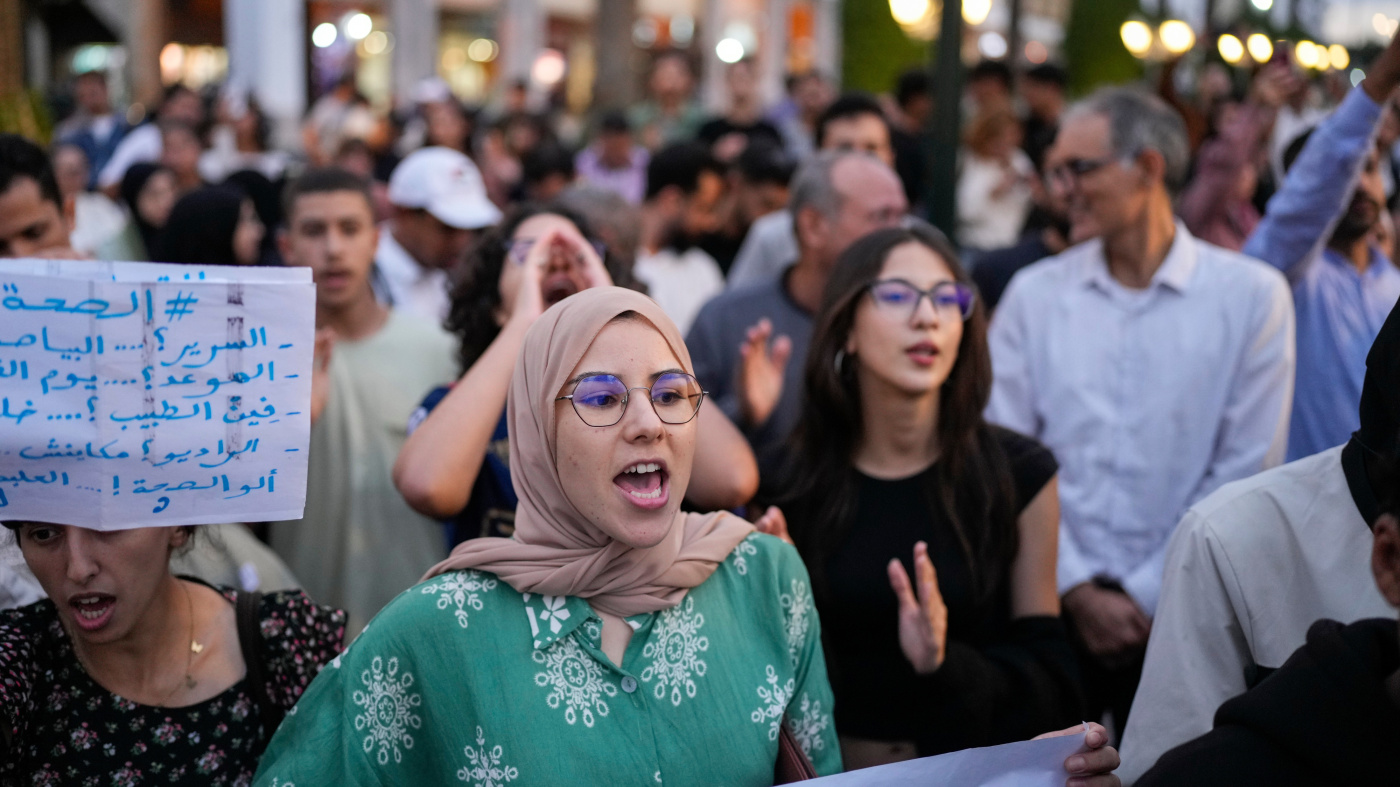
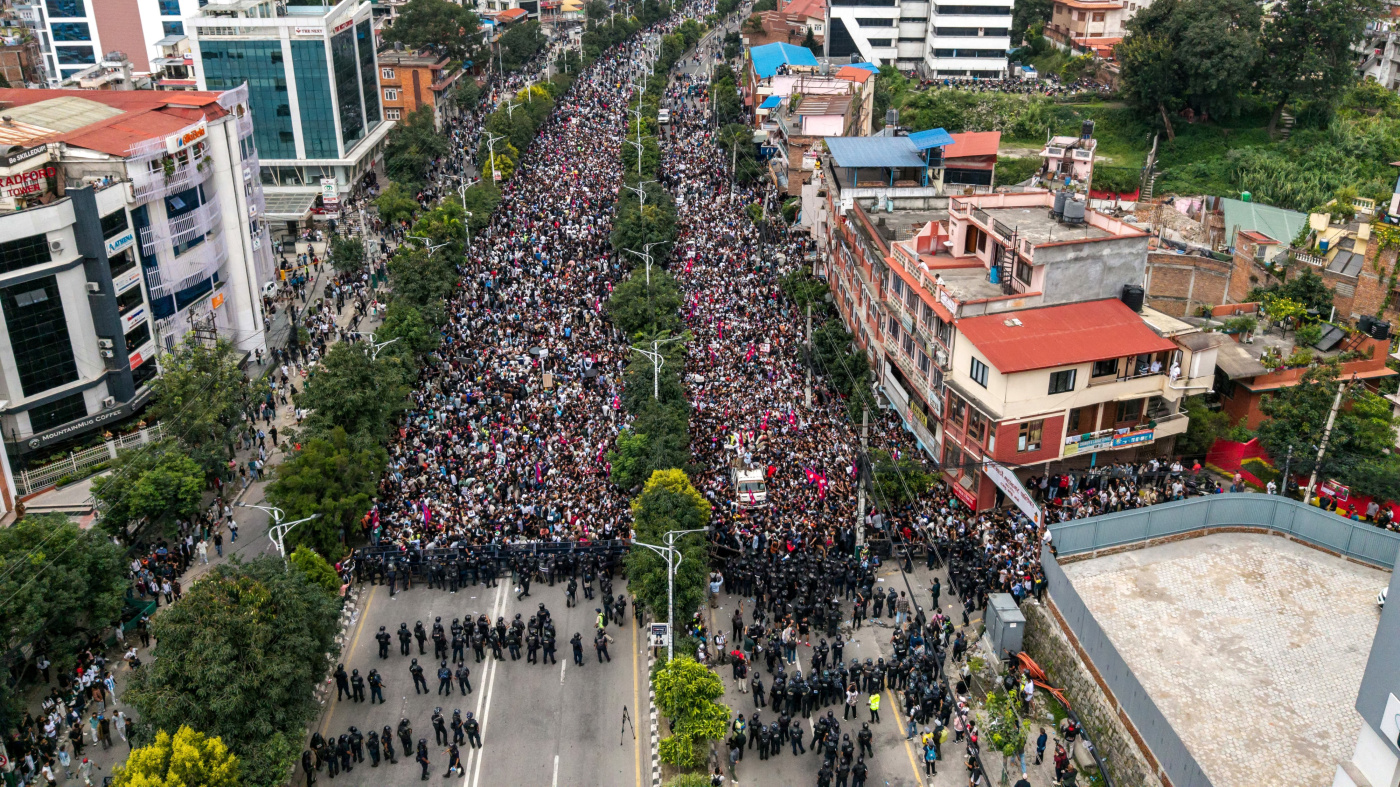
In 2025, Gen Z protests against corruption, inadequate public services, and poor governance in Nepal, Indonesia, and Morocco brought to the forefront the need for governments to listen to their youth and tackle corruption and inequality. But as the difficulties of restoring rights in Bangladesh after years under an authoritarian government illustrates, gains won through public mobilization can easily be lost unless democratic participation and free expression remain unassailable.
People take part in a youth-led protest against corruption and calling for education and healthcare reforms, in Rabat, Morocco, July 28, 2026.
Demonstrators outside Nepal's Parliament during a protest in Kathmandu condemning social media prohibitions and corruption by the government, July 28, 2026.
In this more hostile world, civil society is more critical than ever. It’s also increasingly endangered, particularly in an environment where funding is scarce. In 2025, Human Rights Watch was labeled “undesirable” and banned from operating in Russia. For partners in Egypt, Hong Kong, and India, these tactics are all too familiar. Restrictions on civil society and protest have become more commonplace in Europe, including the UK and France. And now, for the first time, many worry about risks associated with their operational presence in the US, where the Open Society Foundations, a major donor, have already been threatened, and the administration is preparing a list of “domestic terrorists” under overbroad guidance that could be interpreted to include the work of many progressive groups.
Breaking the authoritarian wave and standing up for human rights is a generational challenge. In 2026, it will play out most acutely in the US, with far-reaching consequences for the rest of the world. Fighting back will require a determined, strategic, and coordinated reaction from voters, civil society, multilateral institutions, and rights-respecting governments around the globe.
, Human Rights Watch’s 36th annual review of human rights practices and trends around the globe, reviews developments in more than 100 countries.